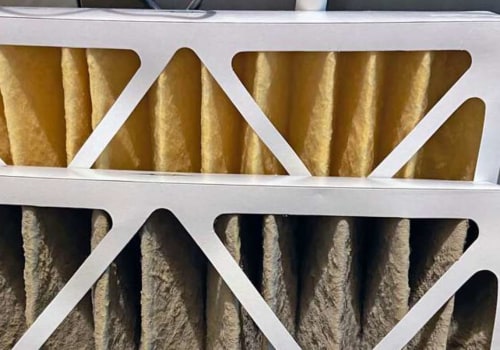
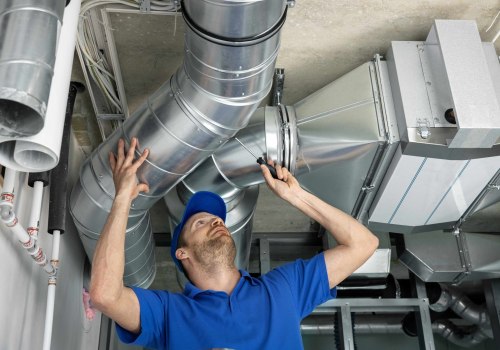
Duct systems are the unsung heroes of modern HVAC (Heating, Ventilation, and Air Conditioning) systems, playing a pivotal role in maintaining indoor air quality and comfort. These networks of ducts are responsible for distributing heated or cooled air throughout your home, ensuring that every room receives the appropriate temperature and airflow. However, many homeowners overlook the importance of these systems until issues arise, often leading to decreased efficiency and compromised air quality.Understanding how duct systems function is essential for recognizing their impact on your living environment. Air is drawn into the HVAC system through return ducts, where it is filtered and conditioned before being pushed back out through supply ducts.
This cycle not only regulates temperature but also helps to remove pollutants and allergens from the air. When ducts are clean and well-maintained, they facilitate optimal airflow, which is crucial for both energy efficiency and health.Unfortunately, over time, dust, debris, and other contaminants can accumulate within these ducts, leading to a range of problems. Poorly maintained duct systems can harbor mold, bacteria, and allergens that circulate throughout your home, negatively affecting indoor air quality. This is particularly concerning for individuals with respiratory issues or allergies.
Regular duct cleaning is not just a maintenance task; it is a necessary step in safeguarding your family's health and ensuring that your HVAC system operates at peak performance.In summary, understanding duct systems is fundamental to appreciating their role in HVAC functionality and indoor air quality. By prioritizing regular cleaning and maintenance of these systems, homeowners can enhance their living environment, improve energy efficiency, and promote better health for all occupants.
What is Duct Cleaning?
Duct cleaning is a vital maintenance process that involves the thorough cleaning of various components of your home's heating, ventilation, and air conditioning (HVAC) system. This process primarily focuses on the air ducts, which are responsible for distributing heated or cooled air throughout your home. Over time, these ducts can accumulate dust, allergens, mold, and other contaminants that can negatively impact indoor air quality and the efficiency of your HVAC system.The duct cleaning process typically includes several key steps:- Inspection: A professional technician will first inspect the ductwork to assess its condition and identify any areas that require special attention.
This may involve using cameras or other tools to get a clear view of the interior of the ducts.
- Preparation: Before cleaning begins, the technician will prepare the area by sealing off vents and registers to prevent dust and debris from escaping into your living spaces.
- Cleaning: Using specialized equipment such as high-powered vacuums and rotary brushes, the technician will clean the ducts thoroughly. This process removes dust, dirt, pet dander, and other contaminants that have built up over time.
- Sanitization: After cleaning, some professionals may apply a sanitizing agent to eliminate any remaining bacteria or mold spores, ensuring that your ducts are not only clean but also safe for your family.
- Final Inspection: Once the cleaning is complete, a final inspection is conducted to ensure that all components are clean and functioning properly.
- Enhanced Energy Efficiency: Clean ducts allow your HVAC system to operate more efficiently, reducing energy consumption and lowering utility bills.
- Improved Indoor Air Quality: By removing allergens and pollutants from your ductwork, you create a healthier living environment for you and your family.
- Extended Equipment Lifespan: Regular maintenance can help prolong the life of your HVAC system by reducing wear and tear caused by dust buildup.
- Odor Reduction: Cleaning ducts can help eliminate unpleasant odors caused by mold or accumulated debris.
The Importance of Regular Duct Cleaning
Regular duct cleaning is not just a maintenance task; it is a vital component of ensuring a healthy living environment.Over time, dust, allergens, and other contaminants accumulate in your ductwork, which can lead to a range of issues that affect both your home and your health.
Health Benefits
One of the most significant reasons to prioritize duct cleaning is the health benefits it provides. Poor indoor air quality can exacerbate respiratory issues, allergies, and asthma. When ducts are clogged with dust and debris, these particles are circulated throughout your home every time your HVAC system operates. Regular cleaning helps to:
- Reduce Allergens: Dust mites, pet dander, mold spores, and pollen can all accumulate in your ducts.
Cleaning them out can significantly reduce the presence of these allergens in your home.
- Minimize Respiratory Issues: For individuals with pre-existing conditions like asthma or chronic obstructive pulmonary disease (COPD), clean ducts can lead to fewer flare-ups and improved overall health.
- Eliminate Odors: Musty smells often originate from mold or mildew in the ducts. Regular cleaning can help eliminate these odors, leading to a fresher indoor environment.
Improved Air Quality
In addition to health benefits, regular duct cleaning plays a crucial role in enhancing indoor air quality. Clean air ducts mean cleaner air circulating throughout your home. This is particularly important for families with young children or elderly members who may be more susceptible to poor air quality.
By investing in regular duct cleaning, you can:
- Enhance Comfort: Improved air quality leads to a more comfortable living space, as you are less likely to experience stuffiness or irritation from airborne particles.
- Promote Energy Efficiency: When ducts are clean, your HVAC system doesn’t have to work as hard to circulate air. This efficiency can lead to lower energy bills and a reduced carbon footprint.
Energy Efficiency
Another compelling reason for regular duct cleaning is its impact on energy efficiency. When dust and debris build up in the ducts, it restricts airflow, forcing your HVAC system to work harder to maintain the desired temperature. This not only increases energy consumption but also shortens the lifespan of your system.
By keeping your ducts clean, you can:
- Lower Utility Bills: A clean system operates more efficiently, which translates into savings on your monthly energy bills.
- Extend HVAC Lifespan: Regular maintenance, including duct cleaning, helps prevent wear and tear on your HVAC system, prolonging its operational life.
Signs Your Ducts Need Cleaning
Understanding the signs that your ducts need cleaning is essential for maintaining a healthy indoor environment. Over time, dust, allergens, and other contaminants can accumulate in your ductwork, leading to various issues that can affect both your HVAC system's efficiency and your family's health.Here are some key indicators that it may be time to schedule a duct cleaning:
- Increased Allergies or Respiratory Issues: If you or your family members are experiencing heightened allergy symptoms, such as sneezing, coughing, or difficulty breathing, it could be a sign that your ducts are harboring dust and allergens. Regular cleaning can help alleviate these symptoms by removing the sources of irritation.
- Visible Dust Accumulation: Take a look at your home’s surfaces. If you notice a significant buildup of dust on furniture or in corners shortly after cleaning, this could indicate that your ducts are dirty and circulating dust throughout your living space.
- Unpleasant Odors: Foul smells emanating from your vents can signal the presence of mold, mildew, or other contaminants in your ductwork. If you detect musty or stale odors when the HVAC system is running, it’s crucial to investigate further.
- Inconsistent Airflow: If certain rooms in your home feel stuffy or do not receive adequate airflow compared to others, this could be due to blockages in the duct system.
Cleaning the ducts can help restore balanced airflow throughout your home.
- Increased Energy Bills: A sudden spike in energy costs may indicate that your HVAC system is working harder than necessary due to dirty ducts. When airflow is restricted by debris buildup, the system has to compensate by using more energy.
- Recent Renovations: If you've recently completed home renovations or construction work, it's wise to have your ducts cleaned. Construction can introduce dust and debris into the ductwork, which can circulate throughout your home.
The Duct Cleaning Process Explained
Understanding the duct cleaning process is essential for homeowners looking to maintain a healthy indoor environment.Professional duct cleaning typically involves several key steps that ensure a thorough and effective cleaning of your HVAC system.
- Initial Inspection: The process begins with a comprehensive inspection of your ductwork. Technicians will assess the condition of the ducts, looking for signs of dust buildup, mold, or any obstructions. This step is crucial as it helps identify specific areas that require more attention.
- Preparation: Before the actual cleaning starts, the technicians will prepare the area. This includes covering vents and registers to prevent dust from spreading throughout your home.
They may also use drop cloths to protect your floors and furniture.
- Vacuuming: Using specialized vacuum equipment, professionals will create negative pressure in the duct system. This method effectively pulls contaminants out of the ducts and into a collection system, minimizing the risk of particles being released back into your home.
- Brush Cleaning: In addition to vacuuming, technicians often use rotary brushes to dislodge stubborn debris from the duct walls. This step ensures that even the most embedded dust and allergens are removed, enhancing the overall cleanliness of your ducts.
- Sanitization: After cleaning, many professionals apply a sanitizing solution to eliminate any remaining bacteria or mold spores. This step is particularly important for households with allergies or respiratory issues, as it helps improve air quality.
- Final Inspection: Once the cleaning is complete, technicians will conduct a final inspection to ensure that all areas have been adequately cleaned.
They may also provide you with before-and-after photos to demonstrate the effectiveness of their work.
DIY vs. Professional Duct Cleaning: What You Need to Know
When it comes to maintaining a clean and efficient HVAC system, homeowners often face the decision of whether to tackle duct cleaning themselves or hire a professional service. Each approach has its own set of advantages and disadvantages, making it essential to weigh your options carefully.DIY Duct Cleaning
Many homeowners consider DIY duct cleaning as a cost-effective solution.
With the right tools and some basic knowledge, it is possible to perform a satisfactory cleaning job. Here are some key points to consider:
- Cost Savings: The most significant advantage of DIY cleaning is the potential for savings. You can purchase duct cleaning kits that include brushes, vacuums, and other necessary tools for a fraction of the cost of hiring professionals.
- Control Over the Process: Doing it yourself allows you to control the cleaning schedule and methods used. You can take your time and ensure that every corner is addressed according to your standards.
- Learning Experience: Engaging in DIY projects can be rewarding.
You gain valuable knowledge about your HVAC system, which can help you identify potential issues in the future.
- Lack of Expertise: Without professional training, you may miss critical areas that require attention or use improper techniques that could damage your system.
- Time-Consuming: Cleaning ducts thoroughly can be a labor-intensive process. It may take longer than anticipated, especially if you encounter unexpected issues.
- Limited Equipment: DIY kits may not have the same power or efficiency as professional-grade equipment, potentially leading to less effective cleaning.
Professional Duct Cleaning
On the other hand, hiring a professional duct cleaning service offers several benefits that can outweigh the costs:
- Expertise and Experience: Professionals are trained to handle various HVAC systems and know how to clean ducts effectively. They can identify problems that an untrained eye might overlook.
- Advanced Equipment: Professional services use high-powered vacuums and specialized tools designed for deep cleaning, ensuring a more thorough job than most DIY methods can achieve.
- Time Efficiency: Professionals can complete the job much faster than an average homeowner due to their experience and access to better equipment.
- Cost: Professional duct cleaning can be expensive, depending on the size of your home and the complexity of the job.
- Choosing the Right Service: Not all companies offer the same level of service. Researching and selecting a reputable provider is crucial to ensure quality work.
Homeowners should assess their comfort level with DIY tasks, budget constraints, and the specific needs of their HVAC system before making a decision. Ultimately, regular maintenance is key to ensuring optimal air quality and system efficiency.
Maintaining Clean Ducts: Tips and Best Practices
Maintaining clean ducts is essential for ensuring optimal indoor air quality and the efficient operation of your HVAC system. While professional duct cleaning is crucial, there are several proactive measures homeowners can take to keep their ducts clean between professional cleanings. Here are some effective tips and best practices:- Regularly Change Air Filters: One of the simplest yet most effective ways to maintain clean ducts is by changing your air filters regularly.
Depending on the type of filter and your home environment, this could be every 1 to 3 months. A clean filter traps dust, allergens, and other particles, preventing them from entering your ductwork.
- Seal Ducts Properly: Inspect your ductwork for any leaks or gaps. Sealing these areas with appropriate materials can prevent dust and debris from entering the system. Use mastic sealant or metal tape for a durable solution.
- Keep Vents Clear: Ensure that all vents and registers are unobstructed by furniture, curtains, or other items.
This allows for proper airflow and reduces the accumulation of dust in the ducts.
- Maintain Humidity Levels: High humidity can lead to mold growth within ducts. Use dehumidifiers in damp areas of your home to keep humidity levels in check, ideally between 30% and 50%.
- Schedule Regular HVAC Maintenance:Schedule Regular HVAC Maintenance: Regular maintenance of your HVAC system can help identify potential issues before they become significant problems. A technician can clean components like coils and blowers, which contributes to cleaner air circulating through your ducts.
- Use Doormats and Shoe Racks: Placing doormats at entrances and encouraging family members to remove shoes before entering can significantly reduce the amount of dirt and debris tracked into your home, ultimately keeping your ducts cleaner.
- Consider an Air Purifier: Investing in a high-quality air purifier can help capture airborne particles before they enter your duct system. Look for models with HEPA filters for maximum efficiency.
Remember that while these tips are beneficial, they should complement regular professional duct cleaning to ensure a comprehensive approach to maintaining a healthy indoor environment.
Frequently Asked Questions About Duct Cleaning
Understanding the nuances of duct cleaning can be challenging, especially with the abundance of information available. Below are some frequently asked questions that address common concerns and misconceptions surrounding this essential maintenance task.What is duct cleaning?
Duct cleaning involves the thorough cleaning of various components of your heating and cooling system, including the air ducts, registers, grilles, and other parts of the HVAC system. This process helps remove dust, allergens, and other contaminants that can accumulate over time, ensuring cleaner air circulation throughout your home.How often should I have my ducts cleaned?
The frequency of duct cleaning largely depends on several factors, including:- The presence of pets in your home.
- Allergies or respiratory issues among household members.
- Recent renovations or construction work.
- The overall air quality in your area.
Is duct cleaning necessary?
Many homeowners question the necessity of duct cleaning.While it may not be required as frequently as other home maintenance tasks, regular cleaning can significantly improve indoor air quality and system efficiency. Neglecting this service can lead to increased energy costs and potential health issues due to poor air quality.
Are there any myths about duct cleaning?
Yes, several myths surround duct cleaning. Here are a few common misconceptions:- Myth: Duct cleaning is a scam.
- Truth: While there are some disreputable companies, professional duct cleaning is a legitimate service that can enhance air quality.
- Myth: Ducts don’t need to be cleaned if I change my filters regularly.
- Truth: Changing filters is important but does not eliminate all contaminants from the ducts themselves.
Conclusion: The Long-Term Benefits of Regular Duct Cleaning
In conclusion, the significance of regular duct cleaning cannot be overstated.As we have explored throughout this guide, maintaining clean ducts is essential not only for the efficiency of your HVAC system but also for the overall health and well-being of your household. The accumulation of dust, allergens, and other contaminants in your ductwork can lead to a range of issues, from reduced air quality to increased energy costs.
Health Benefits
- Improved Air Quality: Regular duct cleaning helps eliminate pollutants that can trigger allergies and respiratory issues. By ensuring that your ducts are free from dust and debris, you create a healthier living environment for you and your family.
- Reduction of Allergens: Dust mites, mold spores, and pet dander can accumulate in your ducts over time. Cleaning these ducts regularly minimizes the presence of these allergens, making it easier for sensitive individuals to breathe comfortably.
Efficiency and Cost Savings
- Enhanced System Efficiency: A clean duct system allows your HVAC unit to operate more efficiently.
When ducts are clogged with dirt and debris, the system has to work harder to circulate air, leading to increased wear and tear.
- Lower Energy Bills: By improving the efficiency of your HVAC system through regular duct cleaning, you can expect to see a reduction in energy costs. A well-maintained system uses less energy, which translates into savings on your monthly utility bills.
Longevity of HVAC Systems
Regular maintenance, including duct cleaning, extends the lifespan of your HVAC system. By preventing the buildup of harmful contaminants, you reduce the risk of breakdowns and costly repairs. Investing in routine duct cleaning is an investment in the longevity of your home’s heating and cooling systems.Ultimately, prioritizing regular duct cleaning is a proactive approach that yields long-term benefits.
It not only enhances the comfort and health of your home but also contributes to significant cost savings over time. As you consider your home maintenance routine, make duct cleaning a key component for a healthier and more efficient living space.