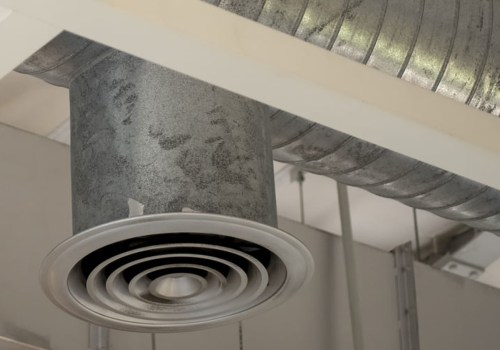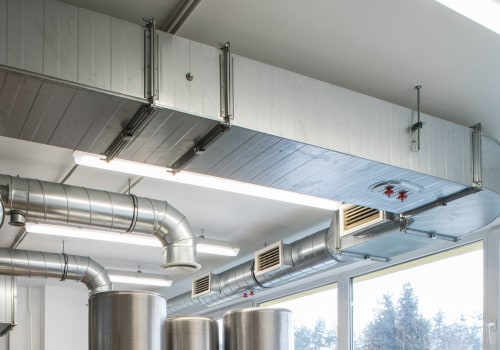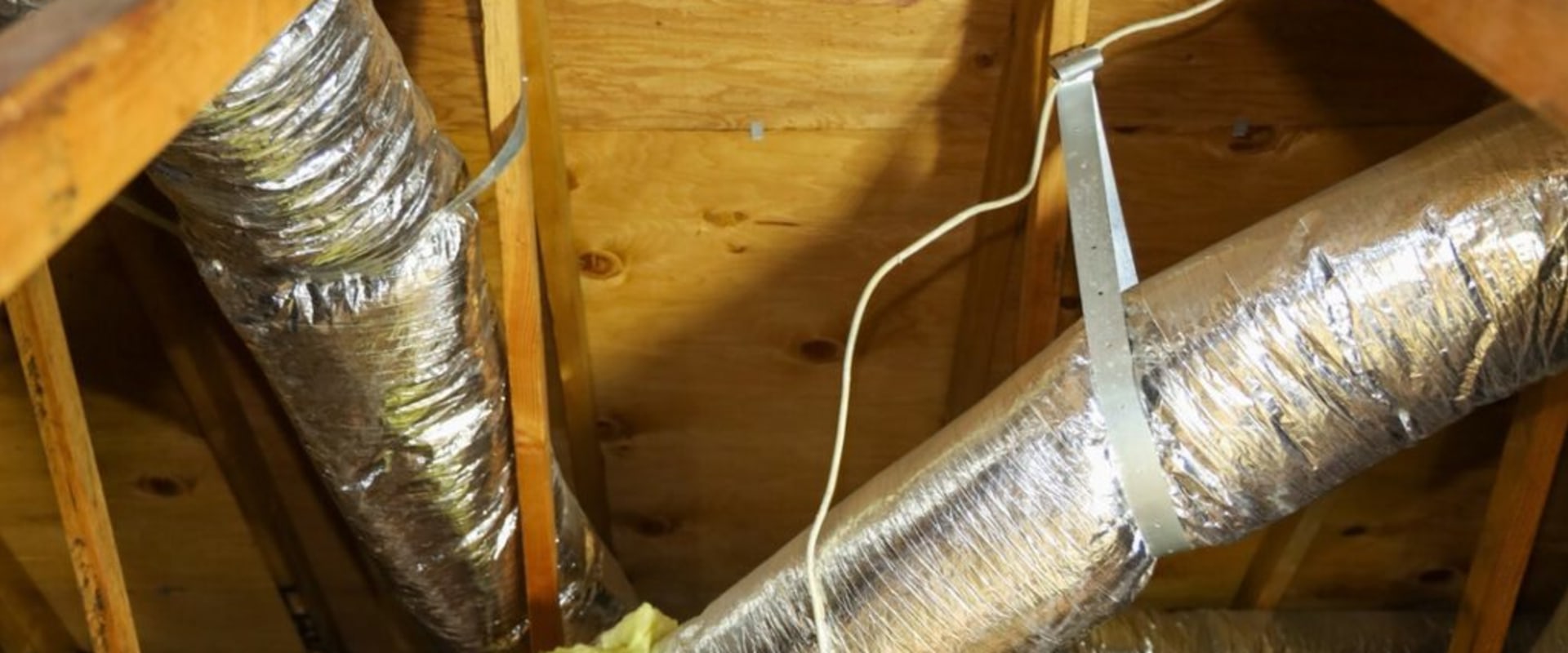
Ductwork is a critical component of any heating, ventilation, and air conditioning (HVAC) system, serving as the network through which conditioned air flows throughout your home. Understanding the intricacies of ductwork is essential for homeowners who wish to maintain optimal indoor air quality and energy efficiency. Properly designed and installed duct systems ensure that air is evenly distributed, preventing hot or cold spots and enhancing overall comfort.There are various types of ducts available, each with its own set of advantages and disadvantages. The most common materials used in duct construction include sheet metal , flexible ducts , and fiberglass.
Sheet metal ducts are known for their durability and ease of maintenance, while flexible ducts offer versatility in installation, especially in tight spaces. Fiberglass ducts provide excellent insulation but require careful installation to avoid potential issues with air quality. Understanding these options is crucial for making informed decisions about your home's ductwork.The importance of ductwork extends beyond mere air distribution; it plays a significant role in energy efficiency and indoor air quality. Leaky or poorly insulated ducts can lead to significant energy loss, resulting in higher utility bills and an overworked HVAC system.
Additionally, inadequate duct design can contribute to the accumulation of dust, allergens, and even mold within the system, negatively impacting the health of your household. Therefore, investing time and resources into understanding and optimizing your ductwork is not just a matter of comfort but also one of health and efficiency.
Types of Ductwork Materials
When it comes to selecting the right ductwork materials for your home, understanding the various options available is essential. Each material has its own set of advantages and disadvantages, which can significantly impact the efficiency and longevity of your HVAC system.Sheet Metal Ducts
One of the most popular choices for ductwork is sheet metal, typically made from galvanized steel or aluminum. These ducts are known for their durability and strength, making them a long-lasting option. , typically made from galvanized steel or aluminum. These ducts are known for their durability and strength, making them a long-lasting option.The smooth interior surface of sheet metal ducts allows for efficient airflow, reducing the risk of dust and debris accumulation. Additionally, their non-porous nature helps prevent mold and bacteria growth, contributing to better indoor air quality.
Fiberglass Ducts
Fiberglass ducts are another common choice, particularly in low-pressure systems. These ducts are insulated with fiberglass and feature a metal foil coating that acts as a vapor barrier. This insulation helps prevent condensation, making fiberglass ducts suitable for underground installations.However, it’s crucial to ensure that these ducts are constructed properly to maintain their airtight integrity; any gaps can lead to a loss of insulation value over time.
Flexible Ducts
Flexible ducts offer a convenient solution for tight or awkward spaces where rigid ducting may be difficult to install. Made from steel wire covered in flexible plastic and surrounded by insulation, these ducts are lightweight and easy to maneuver. However, they can be prone to twisting and bending, which may restrict airflow and reduce the overall efficiency of your HVAC system. Proper installation is key to maximizing their performance.Aluminum Ducts
Aluminum ducts are another viable option, known for their lightweight properties and resistance to corrosion.While they are more expensive than galvanized steel, aluminum ducts can be molded into various shapes easily. However, they may not be as strong as their steel counterparts and can experience issues related to thermal expansion.In conclusion, choosing the right ductwork material depends on your specific needs and the layout of your home. Each type has its unique benefits and potential drawbacks, so it’s essential to weigh these factors carefully before making a decision.
Sheet Metal Ducts: The Gold Standard
When it comes to choosing the right ductwork for your home, sheet metal ducts stand out as the gold standard in the HVAC industry. Their robust construction and numerous benefits make them a preferred choice among homeowners and professionals alike.Durability
is one of the primary advantages of sheet metal ducts.
Made from materials like galvanized steel or aluminum, these ducts are designed to withstand the test of time. Galvanized steel, in particular, is known for its strength and resistance to corrosion, making it an ideal option for various climates. Aluminum ducts, while lighter and more flexible, also offer excellent resistance to rust and corrosion but may not be as strong as their galvanized counterparts.Another significant benefit of sheet metal ducts is their ease of maintenance. The smooth surfaces of these ducts allow for straightforward cleaning, which is essential for maintaining good indoor air quality.
Unlike porous materials, sheet metal does not harbor dust, mold, or bacteria, which can lead to health issues over time. Regular professional cleaning can help ensure that your duct system remains free from contaminants.In addition to their durability and low maintenance requirements, sheet metal ducts are also highly efficient in terms of airflow. Their design minimizes resistance, allowing air to flow freely throughout your home. This efficiency can lead to lower energy bills and improved comfort levels in your living spaces.However, it’s important to consider the pros and cons of both galvanized steel and aluminum when selecting sheet metal ducts:
- Galvanized Steel Ducts:
- Pros: Highly durable, corrosion-resistant, excellent for high-pressure systems.
- Cons: Heavier than aluminum, may require more effort during installation.
- Aluminum Ducts:
- Pros: Lightweight, flexible, resistant to rust.
- Cons: Less durable than galvanized steel, can be more expensive.
Investing in high-quality sheet metal ductwork can significantly enhance your HVAC system's performance and contribute to a healthier indoor environment.
Flexible Ducts: Versatility and Convenience
Flexible ducts are a popular choice in modern HVAC systems due to their versatility and ease of installation. These ducts are typically made from a combination of steel wire and a flexible plastic material, which allows them to bend and twist around obstacles, making them ideal for tight or awkward spaces where traditional rigid ducting would be difficult to install.Advantages of Flexible Ducts
- Ease of Installation: One of the most significant benefits of flexible ducts is their straightforward installation process. Unlike rigid ducts that require precise measurements and cutting, flexible ducts can be easily maneuvered into place, reducing labor time and costs.
- Adaptability: Flexible ducts can be routed around corners and obstacles without the need for additional fittings, which can save both time and money during installation. This adaptability makes them particularly useful in retrofitting existing systems.
- Lightweight: The lightweight nature of flexible ducts makes them easier to handle and transport, further simplifying the installation process.
- Cost-Effective: Generally, flexible ducts are less expensive than their rigid counterparts, making them an attractive option for budget-conscious homeowners.
Installation Considerations
While the installation of flexible ducts is relatively simple, it is crucial to follow best practices to ensure optimal performance.
Proper support must be provided to prevent sagging, which can lead to airflow restrictions. Additionally, it is essential to avoid sharp bends or kinks in the ductwork, as these can significantly impede airflow and reduce the efficiency of your HVAC system.
Drawbacks of Flexible Ducts
- Airflow Restrictions: Although flexible ducts offer many advantages, they can also present challenges. The internal ridges of these ducts may create turbulence in the airflow, leading to reduced efficiency compared to smooth-walled rigid ducts.
- Durability Concerns: Flexible ducts are generally less durable than rigid options. Over time, they may be prone to tearing or damage from physical impacts or environmental factors.
- Mold Growth Potential: If not installed correctly or if they become damp, flexible ducts can create an environment conducive to mold growth.
Regular inspections and maintenance are necessary to mitigate this risk.
Fiberglass Ducts: Insulation and Efficiency
When considering ductwork options for your home, fiberglass ducts present a unique blend of benefits, particularly in terms of insulation and energy efficiency. These ducts are primarily constructed from fiberglass, which is known for its excellent thermal insulating properties. This makes them particularly suitable for low-pressure HVAC systems , where maintaining consistent air temperature is crucial.Benefits of Fiberglass Ducts
- Insulation Efficiency: Fiberglass ducts are inherently insulating due to the material's structure.
The fiberglass fibers trap air, creating a barrier that minimizes heat transfer. This means that the air traveling through these ducts maintains its temperature more effectively, leading to reduced energy consumption and lower utility bills.
- Condensation Prevention: The insulation provided by fiberglass ducts helps prevent condensation from forming on the duct surface. This is particularly important in humid environments, as excess moisture can lead to mold growth and other issues.
- Noise Reduction: Fiberglass has sound-absorbing qualities, which can help reduce noise levels associated with airflow in the duct system. This can contribute to a quieter home environment.
Drawbacks of Fiberglass Ducts
- Maintenance Concerns: While fiberglass ducts offer many advantages, they require careful installation and maintenance.
Any cracks or gaps in the ductwork can compromise their airtightness, leading to energy loss and reduced efficiency. Over time, these gaps may allow fiberglass particles to escape into the air, which can be a health concern.
- Surface Smoothness: Unlike metal ducts, the inner surface of fiberglass ducts is not as smooth. This can lead to increased friction as air flows through, potentially reducing overall airflow efficiency.
- Limited Use Cases: Fiberglass ducts are generally not recommended for ventilation purposes due to their porous nature. They are best suited for heating and cooling applications where insulation is a priority.
Homeowners should weigh these factors carefully when selecting ductwork for their HVAC systems to ensure optimal performance and longevity.
Aluminum Ducts: Lightweight and Corrosion-Resistant
When considering ductwork for your home, aluminum ducts present a compelling option due to their unique properties. One of the most significant advantages of aluminum is its lightweight nature. This characteristic not only makes installation easier but also reduces the overall load on your HVAC system, which can lead to improved efficiency and lower energy costs.Another key benefit of aluminum ducts is their corrosion resistance. Unlike galvanized steel, which can rust over time when exposed to moisture, aluminum does not corrode easily.This makes it an ideal choice for environments where humidity levels are high or where condensation may occur. The durability of aluminum ensures that it maintains its structural integrity over time, providing a long-lasting solution for your ductwork needs.When comparing aluminum to galvanized steel, there are several factors to consider:
- Weight: Aluminum is significantly lighter than galvanized steel, making it easier to handle and install.
- Cost: While aluminum can be more expensive upfront than galvanized steel, its longevity and resistance to corrosion can lead to cost savings in the long run.
- Thermal Expansion: Aluminum expands and contracts more than steel with temperature changes. Proper installation techniques must be employed to accommodate this property.
- Weldability: Aluminum is more challenging to weld than galvanized steel, which may affect installation methods.
For instance:
- Ventilation Systems: Aluminum ducts are often utilized in ventilation systems due to their ability to resist moisture and maintain airflow quality.
- Exhaust Ducts: In kitchens and bathrooms, aluminum ducts effectively handle the exhaust of hot air and moisture without degrading over time.
- HVAC Systems: Many HVAC systems incorporate aluminum ducts because they can be easily shaped and installed in tight spaces.
Choosing the Right Duct Shape: Round vs. Rectangular
When it comes to selecting the appropriate duct shape for your home, understanding the differences between round and rectangular ducts is crucial.Each shape has its own set of advantages and disadvantages that can significantly impact airflow efficiency, installation ease, and overall HVAC performance.
Airflow Efficiency
One of the primary considerations when choosing between round and rectangular ducts is airflow efficiency. Round ducts are generally more efficient at transporting air due to their shape. The circular design allows for a smoother flow of air, reducing turbulence and resistance. This means that round ducts can deliver air more effectively, which can lead to lower energy costs and improved comfort levels in your home.In contrast, rectangular ducts can create more friction as air moves through them.The corners of rectangular ducts can disrupt airflow, leading to potential inefficiencies. However, they can be advantageous in certain situations where space is limited or when fitting into tight areas is necessary.
Installation Considerations
Installation is another critical factor to consider when choosing duct shapes. Round ducts are typically easier to install because they require fewer fittings and can be cut to size with relative ease. Their flexibility allows them to navigate around obstacles without needing extensive modifications.On the other hand, rectangular ducts may require more precise measurements and additional fittings, which can complicate the installation process.They are often used in commercial settings or larger homes where space constraints dictate their use. While they can fit into tighter spaces than round ducts, their installation may take longer and require more labor.
Space Considerations
The available space in your home will also influence your choice of duct shape. Round ducts tend to take up less space than rectangular ones, making them ideal for homes with limited ceiling height or narrow walls. Conversely, if you have ample space and need to run ductwork through larger areas, rectangular ducts may be a suitable option.Conclusion
Ultimately, the decision between round and rectangular ducts should be based on a combination of factors including airflow efficiency, installation ease, and available space.Consulting with an HVAC professional can provide valuable insights tailored to your specific needs, ensuring that you make an informed choice that enhances your home's heating and cooling performance.
Installation Best Practices for Ductwork
Installing ductwork is a critical component of any HVAC system, and doing it correctly can significantly impact the efficiency and effectiveness of your heating and cooling. Here are some essential duct installation tips to ensure optimal performance:- Plan Your Layout: Before installation, carefully plan the layout of your ductwork. Consider the size of your home, the location of your HVAC unit, and the airflow requirements for each room. A well-thought-out design minimizes bends and turns, which can restrict airflow.
- Use Quality Materials: Invest in high-quality duct materials that suit your specific needs.
Whether you choose sheet metal, fiberglass, or flexible ducts, ensure they are durable and appropriate for your climate.
- Seal Joints Properly: Use mastic sealant or metal tape to seal all joints and seams in your ductwork. This prevents air leaks that can lead to energy loss and reduced efficiency.
- Insulate Ducts: Insulating your ducts is crucial, especially if they run through unconditioned spaces like attics or basements. Proper insulation helps maintain the temperature of the air traveling through the ducts.
- Maintain Proper Slope: If installing ducts in a horizontal position, ensure they have a slight slope towards the return air vent. This helps prevent condensation buildup and promotes efficient airflow.
Professionals bring expertise and experience that can help avoid common installation mistakes such as:
- Poor Sealing: Inadequately sealed joints can lead to significant air leaks, reducing system efficiency.
- Incorrect Sizing: Using improperly sized ducts can result in inadequate airflow, leading to hot or cold spots in your home.
- Improper Support: Ducts need to be properly supported to prevent sagging or bending, which can restrict airflow.
Maintaining Your Ductwork: Tips for Longevity and Efficiency
Maintaining your ductwork is essential for ensuring the longevity of your HVAC system and improving indoor air quality. Regular maintenance not only enhances the efficiency of your heating and cooling systems but also helps prevent costly repairs down the line. Here are some effective tips to keep your ducts in optimal condition:- Regular Inspections: Schedule annual inspections of your ductwork to identify any potential issues early on. Look for signs of wear, such as rust, holes, or disconnected sections.
A professional can help assess the condition of your ducts and recommend necessary repairs.
- Cleaning Ducts: Over time, dust, allergens, and debris can accumulate in your ductwork, leading to poor air quality. It’s advisable to have your ducts professionally cleaned every 3 to 5 years. This process involves using specialized equipment to remove contaminants, ensuring that the air circulating in your home is clean and healthy.
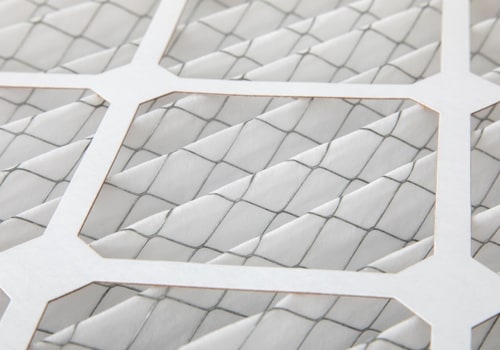
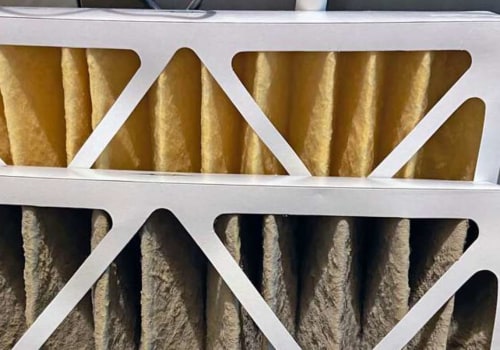
- Change Air Filters: One of the simplest yet most effective maintenance tasks is changing your HVAC system’s air filters regularly. Clogged filters can restrict airflow and force your system to work harder, reducing its efficiency.
Aim to replace or clean filters every 1 to 3 months, depending on usage.
- Seal Leaks: Leaky ducts can significantly decrease the efficiency of your HVAC system. Inspect joints and seams for any gaps or holes and seal them with appropriate duct tape or mastic sealant. This will help maintain proper airflow and reduce energy costs.
- Insulate Ducts: If you have ducts running through unconditioned spaces like attics or basements, consider insulating them. Proper insulation helps maintain the temperature of the air traveling through the ducts, improving overall system efficiency.
- Monitor Humidity Levels: High humidity can lead to mold growth within ductwork.
Use a dehumidifier if necessary to keep humidity levels in check, especially in areas prone to moisture.
<strong>Conclusion</strong>: Making an Informed Decision on Ductwork for Your Home
In conclusion, selecting the right ductwork for your home is a critical decision that can significantly impact your HVAC system's efficiency, air quality, and overall comfort. Throughout this guide, we have explored various types of duct materials, including sheet metal, fiberglass, and flexible ducts, each with its unique advantages and disadvantages.Ductwork Summary:
To summarize, sheet metal ducts are often regarded as the gold standard due to their durability and ease of maintenance. They are less prone to mold growth and provide a smooth airflow path, which enhances the efficiency of your heating and cooling systems.
On the other hand, fiberglass ducts offer excellent insulation properties but require careful installation to prevent air leaks and deterioration over time. Flexible ducts are convenient for tight spaces but can restrict airflow if not installed correctly.
Choosing the Right Duct:
When deciding on the best ductwork for your home, consider factors such as your budget, available space, and specific HVAC needs. For instance, if you have ample space and are looking for long-term durability, investing in sheet metal may be worthwhile. Conversely, if you need a quick solution for a compact area, flexible ducts might be more suitable.
Always consult with a professional HVAC technician to assess your unique situation and ensure proper installation.
Final Thoughts on Duct Materials:
Ultimately, the choice of duct material should align with your home's requirements and your personal preferences. Each type of duct has its strengths and weaknesses; understanding these will empower you to make an informed decision. Remember that proper installation and regular maintenance are crucial regardless of the duct type you choose. By prioritizing these aspects, you can enhance your home's air quality and energy efficiency for years to come.