Ducting is a critical component of any heating, ventilation, and air conditioning (HVAC) system, serving as the pathway through which conditioned air travels to maintain a comfortable indoor environment. Understanding the various types of ducts available and their specific applications is essential for homeowners and builders alike. The right ducting not only enhances the efficiency of your HVAC system but also plays a significant role in ensuring good indoor air quality.There are several types of ducts, each with unique characteristics that make them suitable for different situations. For instance, sheet metal ducts are known for their durability and resistance to mold and bacteria, making them a popular choice in many residential and commercial settings.
On the other hand, flexible ducts offer ease of installation in tight spaces but require careful handling to avoid airflow restrictions. Understanding these differences is crucial when selecting the appropriate ducting for your needs.The importance of choosing the right type of duct cannot be overstated. Poorly designed or installed duct systems can lead to significant energy losses, increased utility bills, and compromised air quality. Inadequate airflow can also strain your HVAC system, leading to premature wear and costly repairs.
Therefore, investing time in understanding ducting options and consulting with experienced professionals can yield long-term benefits for both comfort and health.
Types of Ducts: A Detailed Comparison
When it comes to selecting the right ducting for your HVAC system, understanding the various types of ducts available is crucial. Each type has its own unique characteristics, advantages, and disadvantages that can significantly impact the efficiency and effectiveness of your heating and cooling systems. Below is a detailed comparison of the most common types of ducts: sheet metal, flexible, fiberglass, and fiberboard.1.Sheet Metal Ducts
Sheet metal ducts are widely regarded as the gold standard in ducting materials. Typically made from galvanized steel or aluminum, these ducts are known for their durability and strength.Here are some key points:
- Advantages: They are non-porous, which helps prevent mold and bacteria growth. Their smooth interior surfaces allow for optimal airflow, reducing energy costs.
- Disadvantages: Installation can be more complex and costly compared to other types. They can also be prone to condensation if not properly insulated.
2.Flexible Ducts
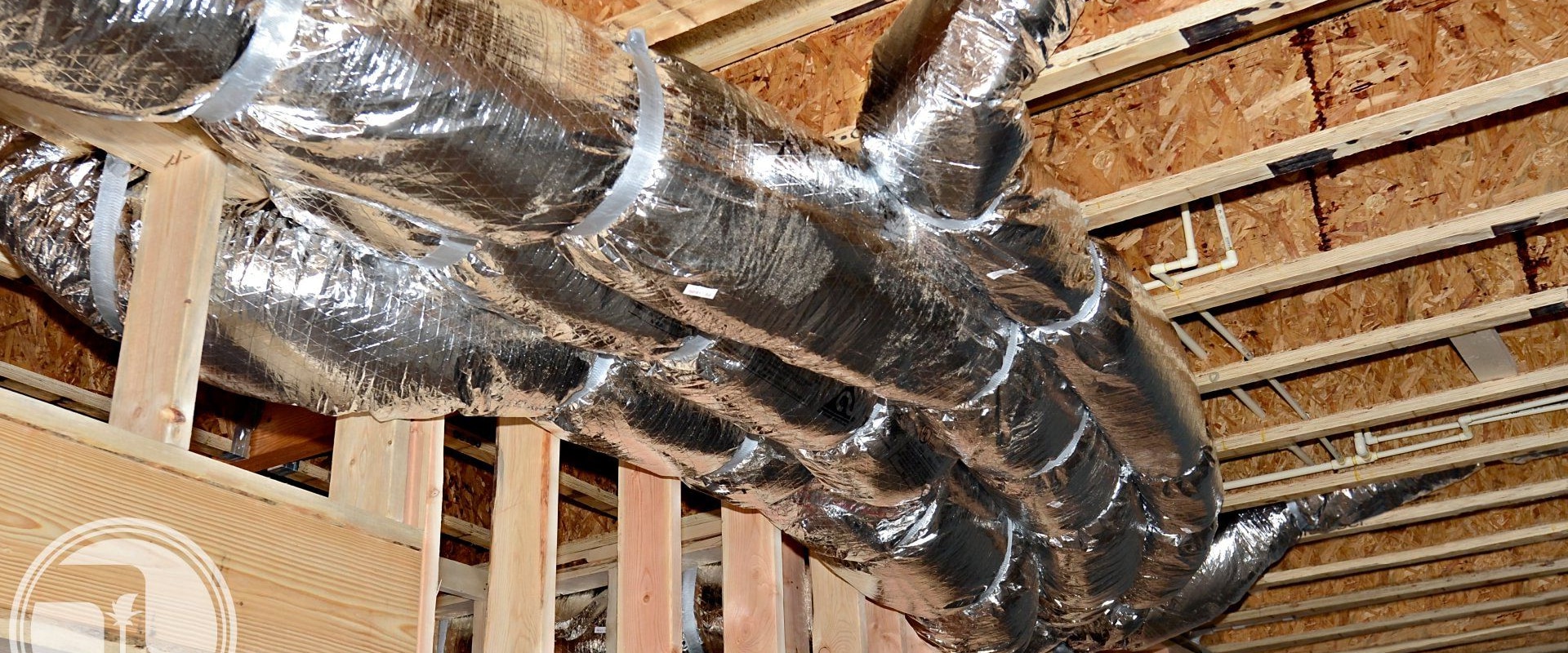
Flexible ducts are constructed from a steel wire helix covered in a durable plastic material. This design allows them to bend and fit into tight spaces where rigid ducts may not be feasible.- Advantages: They are lightweight, easy to install, and generally less expensive than rigid options.
Their flexibility makes them ideal for retrofitting existing systems.
- Disadvantages: They can restrict airflow if not installed correctly, as kinks or bends may occur. Additionally, they are more susceptible to damage during installation.
3.Fiberglass Ducts
Fiberglass ducts are made from a composite material that includes fiberglass insulation bonded with resin. These ducts are often used in low-pressure systems.- Advantages: They provide excellent thermal insulation and help reduce noise levels within the duct system.
- Disadvantages: Over time, fiberglass can deteriorate and release particles into the air, posing potential health risks. They are also more prone to mold growth due to their porous nature.
4.Fiberboard Ducts
Fiberboard ducts consist of compressed fiberglass fibers bonded together with resin and covered with a foil barrier.- Advantages: They are economical to install and inherently insulating, which helps maintain temperature control within the duct system.
- Disadvantages: The rough interior surface can trap dust and dirt, potentially affecting indoor air quality.
Additionally, any cracks in the material can lead to significant air leakage.
Sheet Metal Ducts: The Industry Standard
When it comes to HVAC systems, sheet metal ducts are often regarded as the industry standard due to their numerous advantages. These ducts are typically made from galvanized steel or aluminum, which provides exceptional durability and strength. Unlike other duct materials, sheet metal is non-porous, making it resistant to mold and bacteria growth.This characteristic is particularly important for maintaining indoor air quality, as it minimizes the risk of allergens and contaminants circulating through your home.One of the primary benefits of using sheet metal ducts is their ability to withstand high pressures and temperatures. This makes them suitable for a wide range of HVAC applications, from residential systems to large commercial setups. Additionally, their smooth interior surfaces allow for efficient airflow, reducing energy consumption and enhancing the overall performance of your heating and cooling systems.Installation of sheet metal ducts requires careful planning and execution. Here are some essential tips to ensure a successful installation:
- Professional Installation: While DIY projects can be rewarding, installing sheet metal ducts is best left to professionals who have the necessary skills and tools.
Proper installation is crucial for preventing air leaks and ensuring optimal system performance.
- Proper Sizing: Ensure that the ducts are appropriately sized for your HVAC system. Undersized ducts can restrict airflow, while oversized ducts may lead to inefficiencies.
- Sealing Joints: Use high-quality sealants or duct tape to seal all joints and connections. This prevents air leaks that can compromise efficiency and increase energy costs.
- Insulation: Consider insulating your sheet metal ducts, especially if they run through unconditioned spaces like attics or basements. Insulation helps maintain the temperature of the air traveling through the ducts, improving energy efficiency.
Regular inspections should be conducted to check for any signs of wear or damage. Cleaning the ducts periodically will help remove dust and debris that can accumulate over time, further enhancing indoor air quality.In summary, sheet metal ducts offer a robust solution for HVAC systems with their durability, efficiency, and low maintenance requirements. By investing in quality installation and regular upkeep, homeowners can enjoy a comfortable living environment while minimizing energy costs.
Fiberglass Ducts: Insulation and Efficiency
Fiberglass ducts are a popular choice in HVAC systems due to their unique insulating properties and efficiency in maintaining temperature. Constructed from fiberglass strands bonded with resin, these ducts are designed to provide effective thermal insulation, which helps in reducing energy costs by minimizing heat loss or gain during air transport.One of the primary benefits of fiberglass ducts is their inherent insulation.The fiberglass material itself acts as an insulator, which means that the air traveling through the ducts remains at a consistent temperature. This is particularly advantageous in climates with extreme temperatures, as it helps maintain a comfortable indoor environment without overworking the HVAC system. Additionally, fiberglass ducts are often coated with a foil layer that serves as a vapor barrier, further enhancing their efficiency by preventing moisture buildup.However, while fiberglass ducts offer several advantages, they also come with potential health concerns. The porous nature of fiberglass can make these ducts susceptible to mold and bacteria growth if not properly maintained.
Over time, cracks or deterioration in the duct material can release tiny fiberglass particles into the air, which may pose respiratory risks to occupants. Therefore, it is crucial to ensure that these ducts are installed correctly and maintained regularly.
Maintenance Requirements
To keep fiberglass ducts functioning optimally and to mitigate health risks, regular maintenance is essential. Here are some key maintenance practices:- Regular Inspections: Schedule periodic inspections to check for any signs of wear, damage, or mold growth.
- Cleaning: Clean the ducts thoroughly at least once a year to remove dust and debris that can accumulate over time.
- Seal Joints: Ensure that all joints and seams are properly sealed to prevent air leaks and maintain efficiency.
- Monitor Humidity Levels: Keep an eye on indoor humidity levels to prevent moisture buildup that can lead to mold growth.
Fiberboard Ducts: Cost-Effective Solutions
When considering options for HVAC systems, fiberboard ducts emerge as a cost-effective solution that balances affordability with performance.Constructed from a composite of fiberglass strands bonded with resin, these ducts are designed to provide both insulation and airflow efficiency. The exterior is typically covered with a foil layer that acts as a vapor barrier, preventing moisture infiltration and enhancing durability.One of the primary advantages of fiberboard ducts is their inherent insulating properties. The fiberglass material not only helps maintain the temperature of the air being transported but also minimizes energy loss, making them an energy-efficient choice for heating and cooling systems. This insulation can lead to lower energy bills over time, which is a significant consideration for homeowners looking to reduce operational costs.In addition to their thermal efficiency, fiberboard ducts are also relatively lightweight and easy to handle during installation.
This can translate into lower labor costs, as they are simpler to maneuver compared to heavier materials like sheet metal. However, it is crucial to ensure that the installation process is carried out meticulously. Proper sealing of joints and connections is essential to prevent air leaks, which can undermine the system's efficiency and lead to increased energy consumption.Despite their many benefits, there are some considerations to keep in mind when opting for fiberboard ducts. Their porous nature makes them more susceptible to mold and bacteria growth if not properly maintained.
Regular inspections and cleaning are necessary to ensure that the ducts remain free from contaminants that could compromise indoor air quality.Moreover, while fiberboard ducts are suitable for many applications, they may not be the best choice for all environments. For instance, in areas prone to high humidity or moisture, alternative duct materials might be more appropriate due to fiberboard's vulnerability to water damage.In summary, fiberboard ducts offer a budget-friendly option for HVAC systems with several advantages, including excellent insulation properties and ease of installation. However, careful consideration of their maintenance needs and environmental suitability is essential for maximizing their effectiveness and longevity.
Choosing the Right Ducting for Your Home
When it comes to selecting the right ducting for your home, several critical factors must be considered to ensure optimal performance and efficiency. The choice of ducting can significantly impact your heating and cooling systems, affecting both comfort and energy costs.1.Assess Your Space Constraints
The first step in choosing ducting is to evaluate the available space in your home.
If you have limited room, flexible ducts may be the best option due to their adaptability. They can easily navigate around obstacles and fit into tight areas where rigid ducts might not be feasible. On the other hand, if you have ample space, rigid ducts made from sheet metal or fiberglass may provide better airflow and durability.
2.Consider Your Budget
Your budget will play a significant role in determining the type of ducting you choose. Flexible ducts are generally less expensive and easier to install, making them a popular choice for homeowners looking to save on initial costs.
However, investing in higher-quality materials like sheet metal can lead to long-term savings by reducing maintenance needs and improving energy efficiency.
3.Evaluate Heating and Cooling Needs
Different types of ducting perform better under various conditions. For instance, if your home requires extensive heating or cooling, sheet metal ducts are often recommended due to their superior airflow capabilities and durability. Conversely, if your HVAC system operates at lower pressures, fiberglass ducts may suffice but require careful installation to prevent air leaks.
4.Air Quality Considerations
Indoor air quality is another crucial factor when selecting ducting. Materials like fiberglass can harbor mold and bacteria if not properly maintained, while sheet metal ducts are less prone to such issues due to their non-porous nature.
If air quality is a primary concern for you, opting for non-porous materials may be beneficial.
5.Installation Expertise
Finally, consider the expertise of the contractor who will install your ducting system. A skilled professional can ensure that whichever type of ducting you choose is installed correctly, minimizing the risk of air leaks and maximizing efficiency.In summary, choosing the right ducting involves a careful assessment of space constraints, budget considerations, specific heating or cooling needs, air quality concerns, and installation expertise. By taking these factors into account, you can make an informed decision that enhances your home's comfort and energy efficiency.
Common FAQs About Ducting Types
When it comes to ducting, many homeowners have questions about the various types available and their specific applications. Here are some of the most common FAQs regarding duct types:What is the best type of duct for residential use?
The best type of duct for residential use often depends on individual needs and circumstances.Sheet metal ducts are highly recommended due to their durability, non-porous nature, and resistance to mold and bacteria. However, if you have tight spaces or require flexibility, flexible ducts may be more suitable.
Are flexible ducts as efficient as rigid ducts?
While flexible ducts can be efficient in certain situations, they are generally less efficient than rigid ducts. This is primarily due to their internal structure, which can restrict airflow. Proper installation is crucial to minimize these issues.How do I know if my ducts need cleaning?
If you notice an increase in dust around your home, musty odors, or a decline in HVAC performance, it may be time to clean your ducts.Regular maintenance is essential for ensuring good indoor air quality and system efficiency.
Can I install ducting myself?
While some homeowners may attempt DIY installations, it is advisable to hire a professional. Improper installation can lead to air leaks, reduced efficiency, and potential damage to your HVAC system.What are the signs of duct damage?
- Increased energy bills: If your energy costs rise unexpectedly, it could indicate air leaks in your duct system.
- Poor airflow: Inconsistent temperatures in different rooms may suggest blockages or damage in the ducts.
- Mold growth: Visible mold around vents or inside ducts can indicate moisture issues.
Is fiberglass ducting safe?
Fiberglass ducts
can be safe when properly installed and maintained. However, they are more prone to mold growth and can release fibers into the air if damaged. Regular inspections and cleaning can help mitigate these risks.Understanding these common questions about ducting types can help you make informed decisions regarding your HVAC system and ensure optimal performance and safety in your home.
Conclusion: Making an Informed Decision on Ducting Types
Choosing the right type of ducting is crucial for ensuring the efficiency and effectiveness of your HVAC system.Throughout this article, we have explored various duct materials, including sheet metal, flexible ducts, fiberglass ducts, and fiberboard ducts. Each type has its unique advantages and disadvantages that can significantly impact your home's air quality, energy efficiency, and overall comfort.To summarize:
- Sheet Metal Ducts: Known for their durability and resistance to mold and bacteria, these ducts are often the top choice for homeowners. Their non-porous nature helps maintain better indoor air quality.
- Flexible Ducts: Ideal for tight spaces, flexible ducts are easier to install and generally more affordable. However, they require careful installation to avoid kinks and bends that can restrict airflow.
- Fiberglass Ducts: While they offer good insulation properties, fiberglass ducts can deteriorate over time and may release harmful particles into the air.
They are best suited for low-pressure systems.
- Fiberboard Ducts: Economical and inherently insulating, fiberboard ducts can trap dust and dirt due to their textured surfaces, which may compromise indoor air quality.