Duct systems are a fundamental component of any heating, ventilation, and air conditioning (HVAC) system, serving as the pathways through which conditioned air flows to maintain a comfortable indoor environment. Understanding the intricacies of duct systems is essential for both homeowners and HVAC professionals, as the efficiency and effectiveness of an HVAC system largely depend on the design and quality of its ductwork. Properly designed ducts ensure that air is distributed evenly throughout a space, preventing hot or cold spots and enhancing overall comfort.Moreover, the choice of duct type can significantly impact energy consumption and indoor air quality. For instance, poorly insulated or leaky ducts can lead to substantial energy losses, resulting in higher utility bills and increased wear on HVAC equipment.
This makes it crucial to not only select the right type of duct but also to understand how each type functions within the broader context of an HVAC system. By familiarizing yourself with the various options available—such as flexible, rigid, and semi-rigid ducts—you can make informed decisions that align with your specific needs and budget.In addition to energy efficiency, the importance of duct systems extends to health considerations. Ducts can harbor dust, allergens, and even mold if not properly maintained. Therefore, understanding how different duct materials and designs affect air quality is vital for creating a healthy living environment.
As we delve deeper into this guide, we will explore the various types of duct systems available, their respective advantages and disadvantages, and how to choose the best option for your home or business.
Flexible Ducts: Features and Benefits
Flexible ducts are a popular choice in HVAC systems due to their unique construction and adaptability. Made from a coil of metal wire encased in a layer of flexible plastic, these ducts are designed to be lightweight and easy to maneuver. The insulation typically consists of materials like glass wool or polyethylene, which helps maintain temperature and reduce energy loss.Flexible ducts are a popular choice in HVAC systems due to their unique construction and adaptability. Made from a coil of metal wire encased in a layer of flexible plastic, these ducts are designed to be lightweight and easy to maneuver. The insulation typically consists of materials like glass wool or polyethylene, which helps maintain temperature and reduce energy loss.Benefits of Flexible Ducts
- Versatility: One of the standout features of flexible ducts is their ability to bend and twist around obstacles. This makes them ideal for installations in tight spaces or complex layouts where rigid ducts might struggle.
- Ease of Installation: Flexible ducts are generally easier to install than their rigid counterparts.
Their lightweight nature allows for quicker handling, and they can often be installed without the need for specialized tools or extensive labor.
- Cost-Effective: In many cases, flexible ducts are less expensive than rigid duct systems. This affordability can make them an attractive option for budget-conscious homeowners or businesses.
- Resistance to Mold and Rust: The materials used in flexible duct construction are often resistant to moisture, which helps prevent mold growth and rust accumulation over time.
- Low Air Leakage: When properly installed, flexible ducts can provide a tight seal that minimizes air leakage, enhancing overall system efficiency.
Potential Drawbacks
- Susceptibility to Punctures: While flexible ducts are versatile, they can be more prone to punctures and tears compared to rigid ducts. Care must be taken during installation and maintenance to avoid damage.
- Difficulties in Cleaning: The porous nature of some flexible duct materials can make them challenging to clean thoroughly. Regular maintenance is essential to ensure good air quality.
- Limited Durability: Although they are designed for flexibility, the lifespan of flexible ducts may be shorter than that of rigid options, particularly if they are subjected to harsh conditions or improper handling.
Their versatility and ease of installation are significant advantages, but potential drawbacks such as susceptibility to damage should be considered when choosing the right duct system for your needs.
Rigid Ducts: Features and Benefits
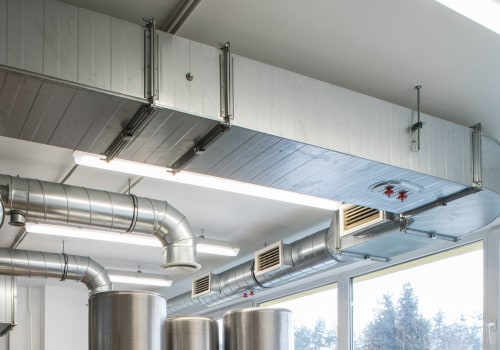
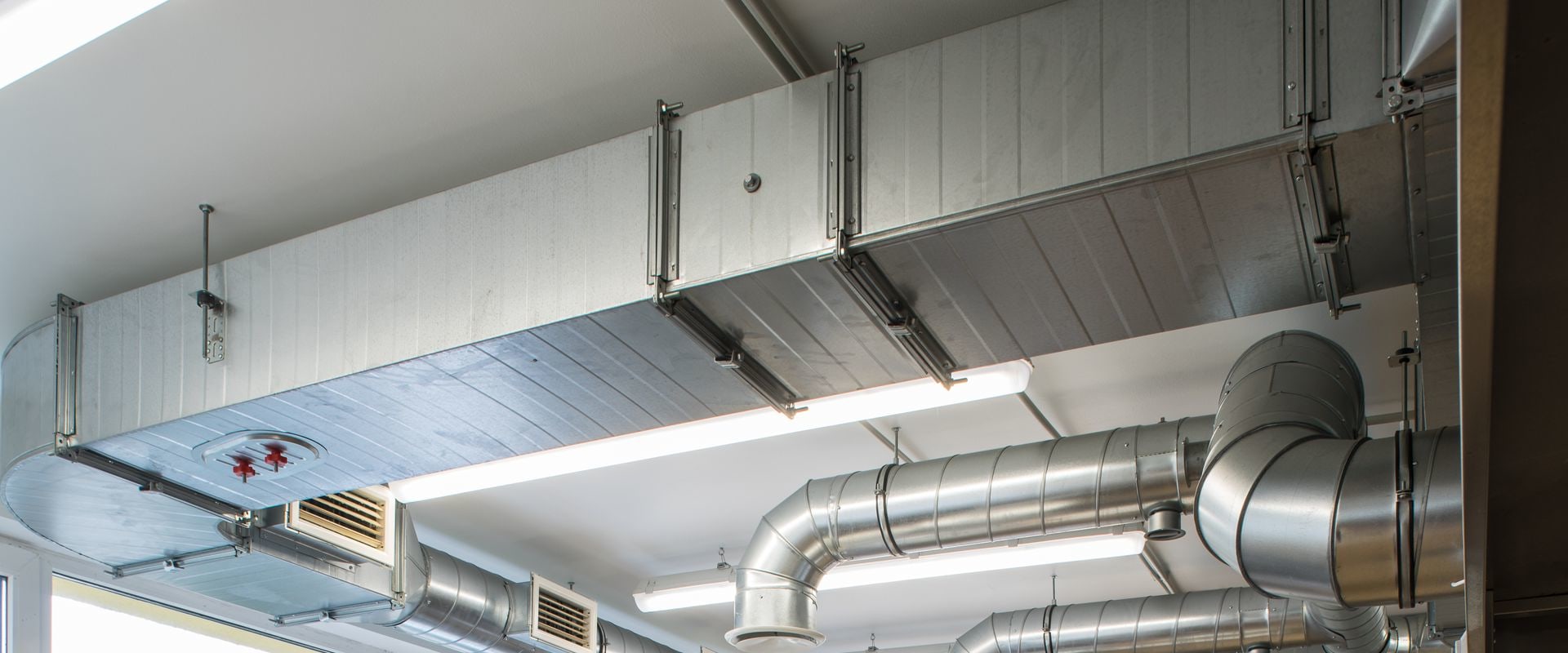
When it comes to HVAC systems, rigid ducts stand out for their robust construction and superior performance. These ducts are typically made from sheet metal, which provides a solid framework that can withstand various environmental conditions. Their design not only enhances durability but also contributes to efficient airflow throughout a building.Benefits of Rigid Ducts
- Sound Dampening: One of the most significant advantages of rigid ducts is their ability to dampen sound. The solid material absorbs noise generated by the HVAC system, resulting in a quieter indoor environment.
This feature is particularly beneficial in commercial settings where noise reduction is essential for productivity.
- Durability: Rigid ducts are built to last. Their sturdy construction minimizes the risk of damage from external factors, such as impacts or extreme temperatures. This durability translates into a longer lifespan, making them a cost-effective choice in the long run.
- Easy Maintenance: Maintaining rigid ducts is relatively straightforward. Their smooth interior surfaces prevent dust and debris accumulation, making cleaning easier.
Regular maintenance can help ensure optimal airflow and system efficiency.
- Improved Air Quality: Since rigid ducts are less porous than flexible options, they are less likely to harbor mold and bacteria. This characteristic contributes to better indoor air quality, which is crucial for the health and comfort of occupants.
Pros and Cons of Rigid Ducts
While rigid ducts offer numerous benefits, they also come with some drawbacks that should be considered:
- Higher Initial Cost: The upfront investment for rigid duct systems is generally higher than that of flexible ducts. This cost can be a significant factor for homeowners or businesses on a tight budget.
- Installation Complexity: Installing rigid ducts often requires professional expertise due to their weight and the need for precise measurements. Improper installation can lead to inefficiencies and increased energy costs.
- Potential for Fiber Release: If not properly sealed or maintained, rigid ducts can release fiberglass particles into the air, which may pose health risks.
Regular inspections and maintenance are essential to mitigate this issue.
Maintenance Considerations
The maintenance of rigid ducts involves several key practices:
- Regular Inspections: Schedule periodic inspections to check for any signs of wear or damage. Early detection can prevent costly repairs down the line.
- Cleansing Procedures: Although rigid ducts are easier to clean than flexible ones, they still require regular cleaning to maintain optimal airflow and air quality. Professional cleaning services can effectively remove dust and debris buildup.
- Sealing Joints: Ensure that all joints and seams are properly sealed to prevent air leaks, which can compromise system efficiency and increase energy costs.
Semi-Rigid Ducts: Features and Benefits
Semi-rigid ducts are a popular choice in HVAC systems due to their unique combination of affordability and ease of installation.These ducts are constructed from a steel helical spring that is wrapped in a flexible material, typically plastic. This design allows them to maintain their shape while also being adaptable to various installation scenarios.
Benefits of Semi-Rigid Ducts
- Cost-Effective: One of the most significant advantages of semi-rigid ducts is their lower cost compared to rigid duct systems. This affordability makes them an attractive option for both residential and commercial applications.
- Ease of Installation: Semi-rigid ducts are relatively easy to install, which can save time and labor costs during the HVAC setup. Their flexibility allows them to be maneuvered into tight spaces without the need for extensive modifications.
- Versatility: These ducts can be used in various configurations, making them suitable for different types of HVAC systems.
Their adaptability allows for efficient airflow in both new constructions and retrofitting projects.
- Lightweight: The lightweight nature of semi-rigid ducts simplifies handling and installation, reducing the physical strain on installers and minimizing the risk of damage during transport.
Pros and Cons of Semi-Rigid Ducts
While semi-rigid ducts offer several benefits, they also come with certain drawbacks that should be considered:
- Prone to Punctures: Due to their construction, semi-rigid ducts can be more susceptible to punctures and tears compared to their rigid counterparts. Care must be taken during installation and maintenance to avoid damage.
- Potential for Leaks: If not installed correctly, these ducts may develop leaks over time, which can lead to reduced efficiency and increased energy costs. Proper sealing techniques are essential during installation.
- Less Durable: While they are designed to be flexible, semi-rigid ducts may not withstand extreme conditions as well as rigid ducts. This can be a concern in environments with high temperatures or significant physical stress.
Semi-Rigid Duct Installation
The installation process for semi-rigid ducts is generally straightforward, but it requires attention to detail to ensure optimal performance:
- Planning the Layout: Before installation, carefully plan the duct layout to minimize bends and turns, which can impede airflow.
- Cutting the Ducts: Use appropriate tools to cut the semi-rigid ducting to the desired lengths.
Ensure that cuts are clean to facilitate proper sealing.
- Connecting Ducts: When connecting sections of ducting, use high-quality tape or clamps designed for HVAC applications to ensure airtight seals.
- Testing for Leaks: After installation, conduct a thorough inspection and testing for leaks. Address any issues immediately to maintain system efficiency.
Comparative Analysis: Pros and Cons of Each Duct Type
When it comes to selecting the right duct system for your HVAC needs, understanding the pros and cons of each type is essential. Below, we provide a detailed comparative analysis of flexible, rigid, and semi-rigid ducts to help you make an informed decision.Flexible Ducts
- Pros:
- Versatility: Flexible ducts can be easily maneuvered around obstacles, making them ideal for tight spaces.
- Cost-Effective: Generally less expensive than rigid options, they are a budget-friendly choice for many homeowners.
- Lightweight: Their lightweight nature simplifies installation and reduces labor costs.
- Mold and Rust Resistance: The materials used in flexible ducts are often resistant to mold and rust, enhancing longevity.
- Cons:
- Puncture Vulnerability: Flexible ducts are more susceptible to punctures and leaks, which can compromise efficiency.
- Cleaning Challenges: Their design can make thorough cleaning difficult, potentially leading to dust accumulation.
- Airflow Restrictions: If not installed properly, they can restrict airflow, reducing system efficiency.
Rigid Ducts
- Pros:
- Durability: Rigid ducts are built to last, often made from sturdy materials like sheet metal that resist damage.
- Sound Dampening: Their solid structure helps reduce noise from airflow, making them suitable for residential and commercial applications.
- Easier Maintenance: They are easier to clean and maintain compared to flexible ducts, promoting better air quality.
- Cons:
- Higher Cost: The initial investment for rigid ducts is typically higher than that of flexible options.
- Installation Complexity: Installation can be more complicated and may require professional assistance.
- Potential for Air Leakage: If not sealed properly, they can develop leaks that affect system performance.
Semi-Rigid Ducts
- Pros:
- Cost-Effective Alternative: Semi-rigid ducts offer a balance between cost and performance, making them a popular choice.
- Easier Installation: They are generally easier to install than rigid ducts while providing better airflow than flexible options.
- Versatile Use: Suitable for various applications, they can adapt to different layouts effectively.
- Cons:
- Puncture Risk: Like flexible ducts, semi-rigid options are also prone to punctures and leaks if not handled carefully.
- Cleansing Needs: Regular maintenance is necessary to ensure optimal performance and air quality.
- Diminished Durability: They may not last as long as rigid ducts under certain conditions due to their construction materials.
Choosing the Right Duct System for Your Needs
When it comes to selecting the most appropriate duct system for your HVAC needs, several critical factors must be taken into account.Making an informed decision can significantly impact the efficiency, comfort, and air quality of your indoor environment. Here are some essential considerations to guide you in choosing the right duct system:
- Budget: Your financial constraints will play a significant role in determining which duct system is suitable for you. Flexible ducts tend to be more affordable upfront, while rigid ducts may require a higher initial investment but offer long-term benefits in durability and maintenance.
- Space Constraints: The physical layout of your home or building is crucial. If you have limited space, flexible ducts can be advantageous due to their adaptability and ease of installation.
Rigid ducts, while more durable, may require more room and careful planning to install effectively.
- HVAC Requirements: Consider the specific heating and cooling needs of your space. For larger commercial buildings, rigid ducts may be preferable due to their ability to handle higher air volumes and maintain better airflow. In contrast, residential settings might benefit from the versatility of flexible ducts.
- Air Quality: The material of the duct system can influence indoor air quality. Rigid ducts are less porous than flexible options, reducing the risk of mold and bacteria growth.
If maintaining high air quality is a priority, this factor should weigh heavily in your decision.
- Installation and Maintenance: Evaluate how easy it is to install and maintain each type of duct system. Flexible ducts are generally easier to install, while rigid ducts may require professional installation but offer easier cleaning options.
Other Types of Duct Systems Worth Considering
While flexible, rigid, and semi-rigid ducts are the most commonly used duct systems in HVAC applications, there are alternative options that can be particularly advantageous in specific scenarios.Two notable alternatives are fiberglass ducting plates and oval ducts. Each of these options offers unique benefits that can enhance the efficiency and effectiveness of your HVAC system.
Fiberglass Ducting Plates
Fiberglass ducting plates are a popular choice for both residential and commercial applications due to their lightweight nature and excellent thermal insulation properties. These plates are constructed from fiberglass, which is known for its ability to resist moisture and prevent mold growth. Here are some key advantages:- Energy Efficiency: Fiberglass ducting plates provide superior insulation, which helps maintain the desired temperature within the duct system.
This can lead to significant energy savings over time.
- Noise Reduction: The dense structure of fiberglass helps to absorb sound, making it an ideal choice for environments where noise reduction is a priority.
- Customizability: Fiberglass plates can be easily cut and shaped to fit various configurations, allowing for greater flexibility in design.
- Mold Resistance: Unlike traditional duct materials, fiberglass does not support mold growth, ensuring cleaner air quality.
Oval Ducts
Oval ducts, also known as flattened round ducts, are another alternative that can be beneficial in certain situations. These ducts are designed to optimize airflow while minimizing space requirements. Here are some advantages of using oval ducts:- Space Efficiency: The oval shape allows for a more compact installation compared to traditional round ducts, making them ideal for areas with limited space.
- Improved Airflow: Oval ducts can facilitate smoother airflow due to their aerodynamic design, which can enhance the overall efficiency of the HVAC system.
- Aesthetic Appeal: The sleek design of oval ducts can be more visually appealing than standard round ducts, making them suitable for exposed installations in modern spaces.
- Reduced Pressure Loss: The shape of oval ducts helps reduce pressure loss during air transport, which can lead to improved system performance.
Maintenance Tips for Duct Systems
Maintaining your duct system is essential for ensuring optimal performance and air quality in your home or commercial space.Regular maintenance not only extends the lifespan of your ducts but also enhances the efficiency of your HVAC system. Here are some practical tips to help you keep your ducts in top shape.
Regular Inspections
Conducting regular inspections of your ductwork is crucial. Look for signs of wear and tear, such as:- Visible dust accumulation
- Signs of moisture or mold
- Unusual noises when the HVAC system is running
- Inconsistent airflow from vents
Cleaning Your Ducts
Cleaning ducts can significantly improve indoor air quality. Here’s how to do it:- Turn off the HVAC system: Always ensure that your heating and cooling systems are turned off before starting any cleaning process.
- Remove vent covers: Use a screwdriver to take off the vent covers.
This will allow you to access the duct interior more easily.
- Vacuum the ducts: Use a vacuum with a long hose attachment to remove dust and debris from inside the ducts. Make sure to reach as far into the duct as possible.
- Use a brush: For stubborn dirt, use a duct cleaning brush to scrub the interior surfaces gently.
- Replace filters: After cleaning, replace or clean your HVAC filters to ensure they are not clogged with dust and debris.
Seal Leaks and Insulate Ducts
Leaky ducts can lead to significant energy loss and reduced efficiency. Inspect your ductwork for any gaps or holes and seal them using mastic sealant or metal tape. Additionally, insulating your ducts can help maintain temperature and improve energy efficiency, especially in unconditioned spaces like attics or crawl spaces.Schedule Professional Maintenance
While DIY maintenance is beneficial, scheduling regular professional inspections is equally important.HVAC professionals can perform thorough checks and cleanings that may be beyond the scope of DIY efforts. Aim for at least one professional inspection per year to keep your system running smoothly.By following these maintenance tips, you can ensure that your duct systems operate efficiently, providing clean air and comfort in your living or working environment.
<strong>Conclusion</strong>
In summary, understanding the various types of duct systems is essential for making informed decisions regarding your HVAC setup. Each type of duct—flexible, rigid, and semi-rigid—comes with its own set of advantages and disadvantages that cater to different needs and environments.Flexible ducts
are particularly advantageous in residential settings where space is limited. Their lightweight and adaptable nature allows for easy installation in tight corners and around obstacles.
However, their susceptibility to punctures and leaks can compromise efficiency, making regular inspections crucial.
Rigid ducts
, on the other hand, are often favored in commercial applications due to their durability and sound-dampening properties. They provide a clean airflow path and are easier to maintain over time. Yet, their higher cost and need for professional cleaning can be a deterrent for some homeowners.
Semi-rigid ducts
strike a balance between flexibility and rigidity, offering a cost-effective solution that is easier to install than traditional rigid ducts. However, they may not be as robust as their rigid counterparts, which could lead to potential issues down the line.When choosing the right duct system for your needs, consider factors such as budget, space constraints, and maintenance requirements.
It’s also wise to consult with an HVAC professional who can provide tailored advice based on your specific situation.Ultimately, the right choice will depend on your unique circumstances, including the layout of your home or building, your heating and cooling needs, and your long-term maintenance plans. By weighing the pros and cons of each type of duct system discussed in this guide, you can make a more informed decision that enhances both comfort and efficiency in your living or working space.In conclusion, investing time in understanding these systems will pay off in the long run. A well-chosen duct system not only improves air quality but also contributes to energy efficiency and overall comfort.