Air ducts are often overlooked components of heating, ventilation, and air conditioning (HVAC) systems, yet they serve as the vital pathways for conditioned air to flow throughout a building. These ducts are responsible for distributing heated or cooled air from the HVAC unit to various rooms, ensuring that every corner of a home or office maintains a comfortable temperature. Understanding the role of air ducts is essential for anyone looking to optimize their indoor environment, as they directly impact both air quality and energy efficiency.The importance of air ducts cannot be overstated. They not only facilitate the movement of air but also play a crucial role in maintaining indoor air quality.
Properly designed and installed ducts help to minimize dust, allergens, and other pollutants from circulating in the air. This is particularly important for individuals with respiratory issues or allergies, as clean air can significantly improve their quality of life. Furthermore, well-maintained ducts contribute to the overall efficiency of HVAC systems, reducing energy consumption and lowering utility bills.In essence, air ducts are the backbone of any HVAC system. They ensure that the system operates effectively by allowing for optimal airflow and temperature control.
As we delve deeper into this guide, we will explore the various types of ducts available, the materials used in their construction, and best practices for installation. By understanding these elements, homeowners and building managers can make informed decisions that enhance comfort and efficiency in their spaces.
Types of Air Ducts: A Comprehensive Overview
When it comes to air ducts, understanding the different types available is essential for making informed decisions about your HVAC system. Each type of duct has unique characteristics, advantages, and ideal applications that cater to various needs. Below, we explore the three primary categories of air ducts: flexible, rigid, and semi-rigid.Flexible Ducts
Flexible ducts are made from a combination of materials, typically featuring a core of spring steel wire surrounded by a layer of insulation and a durable outer plastic or foil.This design allows for easy maneuverability and installation in tight spaces where traditional ductwork may be challenging to fit.
- Advantages:
- Easy Installation: Their lightweight nature makes them simple to handle and install.
- Versatility: Flexible ducts can be bent and shaped to fit around obstacles, making them ideal for complex layouts.
- Cost-Effective: Generally less expensive than rigid options, they can reduce overall installation costs.
- Ideal Applications: Flexible ducts are best suited for residential settings, particularly in attics or crawl spaces where space is limited.
Rigid Ducts
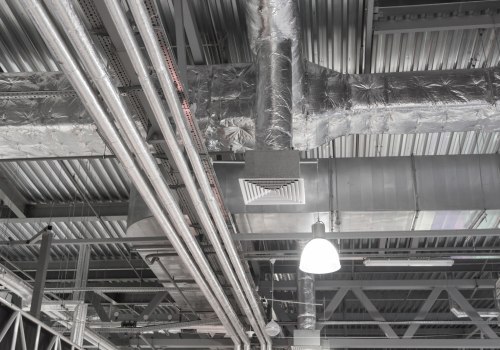
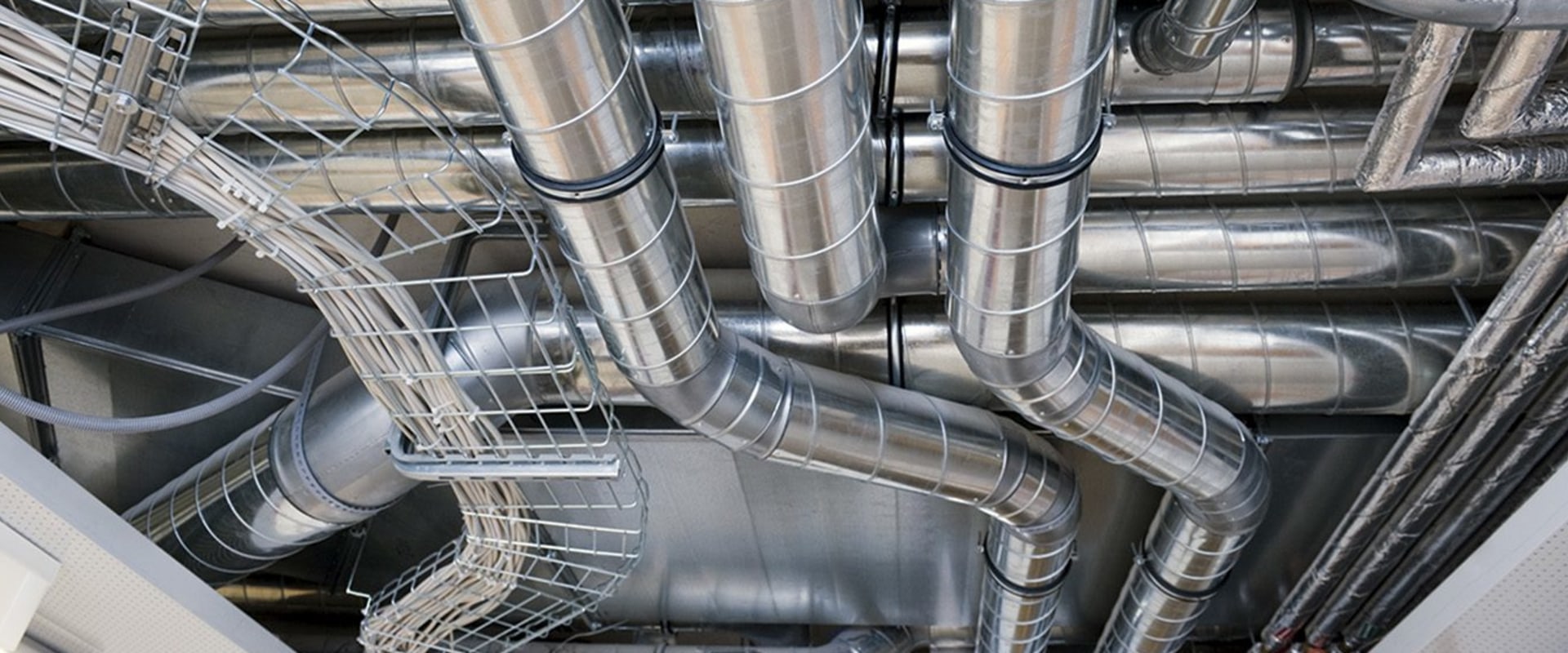
Rigid ducts are typically constructed from materials such as galvanized steel or aluminum. These ducts are known for their durability and ability to maintain airflow without significant loss. Rigid ducts come in various shapes, including rectangular and round, allowing for flexibility in design.- Advantages:
- Durability: Rigid ducts are resistant to damage and can last for many years with proper maintenance.
- Efficiency: They provide better airflow compared to flexible ducts due to their smooth interior surfaces.
- Mold Resistance: Being non-porous, they reduce the risk of mold growth within the duct system.
- Ideal Applications: Rigid ducts are commonly used in commercial buildings and larger residential systems where efficiency is paramount.
Semi-Rigid Ducts
Semi-rigid ducts combine features from both flexible and rigid duct types. They are often made from aluminum or other lightweight materials that allow for some flexibility while maintaining structural integrity.This makes them a popular choice for various HVAC applications.
- Advantages:
- Balance of Flexibility and Strength: Semi-rigid ducts can be bent without breaking while still providing efficient airflow.
- Easier Installation in Tight Spaces: They can be maneuvered into place more easily than rigid ducts while offering better performance than flexible options.
- Ideal Applications: These ducts are suitable for both residential and commercial installations where space constraints exist but efficiency is still a priority.
Materials Used in Air Duct Construction
When it comes to the construction of air ducts, the choice of material is crucial for ensuring efficiency, durability, and overall performance. Each material has its unique characteristics, advantages, and disadvantages that can significantly impact the HVAC system's effectiveness.Below, we delve into the most common materials used in air duct construction: sheet metal, fiberglass, and wood fiber.
Sheet Metal Ducts
Sheet metal ducts
are among the most widely used types in HVAC systems. Typically made from galvanized steel or aluminum, these ducts are known for their strength and longevity. One of the primary benefits of sheet metal is its resistance to corrosion, especially when galvanized. This durability makes them suitable for a variety of environments.
- Pros:
- Highly durable and long-lasting.
- Non-porous surface reduces the risk of mold growth.
- Easy to clean and maintain.
- Can handle high air pressure without deforming.
- Cons:
- Can be prone to condensation if not properly insulated.
- Installation can be labor-intensive due to their weight.
Fiberglass Ducts
Fiberglass ducts
are another popular option, particularly in residential settings.
These ducts are typically constructed from sheet metal lined with a layer of fiberglass insulation. This design helps to minimize air loss and condensation while providing excellent thermal insulation.
- Pros:
- Good thermal insulation properties help maintain consistent temperatures.
- Less prone to condensation compared to uninsulated metal ducts.
- Lightweight and easier to install than rigid metal ducts.
- Cons:
- Can be susceptible to damage from moisture if not properly sealed.
- The porous nature may harbor mold if not maintained correctly.
Wood Fiber Ducts
Wood fiber ducts
, made from compressed resin plates combined with organic glass fibers, offer a unique alternative. These ducts often feature an aluminum exterior that can be customized to match building aesthetics. While they provide some insulation benefits, their lifespan is generally shorter than that of metal or fiberglass options.
- Pros:
- Aesthetic versatility with customizable exteriors.
- Good sound absorption properties reduce noise levels in HVAC systems.
- Cons:
- Not suitable for outdoor use or humid environments due to potential degradation.
- Tend to have a shorter lifespan compared to other materials.
While sheet metal ducts offer durability and ease of maintenance, fiberglass ducts provide excellent insulation properties. On the other hand, wood fiber ducts, while aesthetically pleasing, may not be suitable for all environments. Understanding these materials' pros and cons will help you make an informed decision tailored to your specific needs.
Installation Techniques for Air Ducts: Ensuring Efficiency and Longevity
Installing air ducts correctly is crucial for ensuring optimal performance and longevity of your HVAC system. Proper installation techniques not only enhance airflow but also contribute to energy efficiency, reducing utility costs over time.Below are some essential practices to consider when installing air ducts.
1.Duct Sizing
One of the most critical aspects of air duct installation is duct sizing. Incorrectly sized ducts can lead to a host of problems, including inadequate airflow, increased energy consumption, and uneven temperature distribution throughout the space. To determine the appropriate size:- Calculate Airflow Needs: Use the Manual J calculation method to assess the heating and cooling load of your space. This will help you understand how much air needs to flow through the ducts.
- Use Ductulator Tools: Employ duct sizing calculators or ductulators to find the right dimensions based on airflow requirements and duct type.
2.Layout Planning
The layout of your duct system plays a significant role in its efficiency.A well-planned layout minimizes bends and turns, which can restrict airflow. Consider the following:
- Avoid Sharp Bends: Whenever possible, use gradual bends instead of sharp angles to maintain smooth airflow.
- Minimize Length: Keep duct runs as short as possible to reduce resistance and energy loss.
3.Sealing and Insulation
Sealing joints and insulating ducts are vital steps in preventing air leaks and maintaining temperature control:- Seal Joints: Use mastic sealant or metal tape to seal all joints and connections thoroughly. This prevents conditioned air from escaping into unconditioned spaces.
- Insulate Ducts: Insulate ducts that run through unconditioned areas, such as attics or crawl spaces, to minimize heat loss or gain.
4.Proper Support and Hangers
Ducts must be adequately supported to prevent sagging, which can lead to airflow restrictions:- Use Appropriate Hangers: Install hangers at regular intervals according to local building codes, ensuring they are secure enough to hold the weight of the ducts.
- Avoid Over-tightening: Be cautious not to over-tighten hangers, as this can deform the ductwork and restrict airflow.
Common Mistakes in Air Duct Installation and How to Avoid Them
When it comes to air duct installation, even seasoned professionals can make mistakes that compromise the efficiency and longevity of the HVAC system. Understanding these common pitfalls is essential for ensuring optimal performance.Here are some frequent errors and tips on how to avoid them:
- Improper Sizing of Ducts: One of the most critical mistakes is using ducts that are either too large or too small for the system. Oversized ducts can lead to inefficient airflow, while undersized ducts can cause strain on the HVAC unit. To avoid this, conduct a thorough load calculation to determine the appropriate duct size based on the specific needs of the space.
- Neglecting Insulation: Failing to insulate ducts properly can result in significant energy loss, especially in unconditioned spaces like attics or crawl spaces. Ensure that all ducts are adequately insulated to maintain temperature and improve energy efficiency.
Use materials with a high R-value for optimal insulation.
- Poor Sealing: Leaky ducts can severely impact system performance by allowing conditioned air to escape. This not only increases energy costs but also reduces comfort levels. Use high-quality mastic sealant or metal tape to seal all joints and seams thoroughly.
- Incorrect Placement: The placement of ducts is crucial for effective airflow. Installing ducts in areas where they are prone to damage or where airflow is restricted can lead to inefficiencies.
Plan duct routes carefully, avoiding sharp bends and ensuring they are not obstructed by furniture or other structures.
- Ignoring Local Codes and Standards: Each region has specific building codes and standards that must be adhered to during installation. Ignoring these regulations can lead to safety hazards and costly fines. Always familiarize yourself with local codes before beginning installation.
Maintenance Tips for Air Ducts: Keeping Your System Running Smoothly
Maintaining your air ducts is essential for ensuring the efficiency and longevity of your HVAC system.Regular maintenance not only improves air quality but also helps prevent costly repairs down the line. Here are some practical tips for keeping your air ducts in optimal condition:
- Schedule Regular Inspections: It’s advisable to have your air ducts inspected at least once a year by a qualified HVAC technician. They can identify potential issues such as leaks, blockages, or signs of mold growth that may not be visible to the untrained eye.
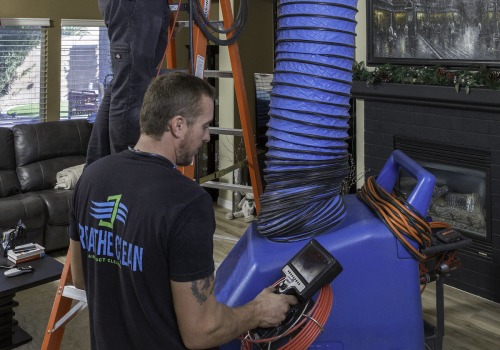
- Clean Your Ducts: Over time, dust, debris, and allergens can accumulate in your air ducts. Consider having them professionally cleaned every 3 to 5 years, or more frequently if you have pets or allergies.
This process typically involves using specialized equipment to remove contaminants effectively.
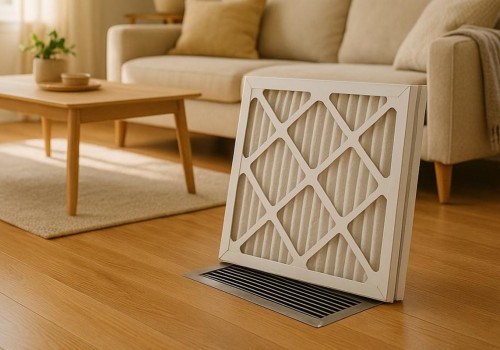
- Change Air Filters Regularly: One of the simplest yet most effective maintenance tasks is changing your HVAC system’s air filters. Depending on usage, filters should be replaced every 1 to 3 months. Clean filters improve airflow and reduce strain on the system.
- Seal Duct Leaks: Leaky ducts can significantly reduce the efficiency of your HVAC system. Inspect ductwork for any visible gaps or holes and seal them with appropriate materials such as mastic sealant or metal tape.
This will help maintain proper airflow and reduce energy costs.
- Insulate Ducts: Proper insulation of ductwork, especially in unconditioned spaces like attics or crawl spaces, is crucial. Insulation helps prevent heat loss in winter and keeps cool air from escaping in summer, enhancing overall system efficiency.
- Monitor Humidity Levels: High humidity can lead to mold growth within your ducts. Use a dehumidifier if necessary to keep indoor humidity levels between 30% and 50%. This will help protect both your air ducts and overall indoor air quality.
Remember that proactive maintenance is always more cost-effective than reactive repairs.
FAQs About Air Ducts: Answering Common Questions
When it comes to air ducts, many homeowners and building managers have questions that can significantly impact their HVAC systems' efficiency and longevity. Below are some of the most frequently asked questions about air ducts, along with detailed answers to help clarify common misconceptions.What are the signs that my air ducts need cleaning?
Over time, dust, debris, and allergens can accumulate in your air ducts, leading to poor indoor air quality. Here are some signs that indicate it might be time for a thorough cleaning:- Visible dust: If you notice dust accumulating on vents or around your home, it may be circulating from your ducts.
- Unpleasant odors: Foul smells emanating from your HVAC system can indicate mold or mildew growth within the ducts.
- Increased allergy symptoms: If you or your family members experience heightened allergy symptoms when the HVAC system is running, dirty ducts could be the culprit.
- Inconsistent airflow: If certain rooms are not receiving adequate airflow, it may be due to blockages in the ductwork.
How often should I have my air ducts cleaned?
The frequency of air duct cleaning can vary based on several factors, including:- Location: Homes in dusty areas may require more frequent cleanings.
- Pets: If you have pets that shed fur, consider cleaning your ducts every 1-3 years.
- Allergies: If anyone in your household suffers from allergies, annual cleanings may be beneficial.
Can I install air ducts myself?
While some homeowners may feel confident in their DIY skills, installing air ducts is a complex task that requires knowledge of HVAC systems and local building codes. Improper installation can lead to issues such as:- Air leaks: Poorly sealed joints can result in significant energy loss.
- Poor airflow: Incorrect sizing or layout can restrict airflow and reduce system efficiency.
What materials are best for air ducts?
The choice of material for air ducts can affect both performance and durability.Common materials include:
- Sheet metal: Known for its durability and ease of cleaning, sheet metal is often considered the best option for residential systems.
- Fiberglass: While it provides good insulation, fiberglass ducts can be prone to mold growth if not properly maintained.
- Flexible ducts: These are easier to install in tight spaces but require careful handling to avoid kinks that restrict airflow.
Conclusion: The Importance of Choosing the Right Air Duct System
In summary, the selection of the right air duct system is a pivotal decision that can significantly influence the efficiency and comfort of your indoor environment. Throughout this guide, we have explored various types of ducts, including sheet metal, fiberglass, and flexible ducts, each with its unique advantages and limitations. Understanding these differences is essential for making an informed choice that aligns with your specific needs.Choosing the appropriate material for your air ducts is equally important. For instance, sheet metal ducts are renowned for their durability and resistance to corrosion, making them a long-lasting option.On the other hand, fiberglass ducts offer excellent insulation properties but may not be suitable for all environments due to their susceptibility to moisture. Meanwhile, flexible ducts provide versatility in installation but require careful handling to maintain airflow efficiency.Moreover, the installation process cannot be overlooked. Proper installation techniques are crucial in ensuring that your duct system operates at peak performance. Incorrectly installed ducts can lead to air leaks, reduced efficiency, and increased energy costs.
It is vital to engage experienced professionals who understand the nuances of duct installation to avoid common pitfalls.Ultimately, investing time and resources into selecting the right type and material for your air ducts will pay off in the long run. Not only will it enhance the overall performance of your HVAC system, but it will also contribute to a healthier indoor environment by minimizing issues such as mold growth and poor air quality.In conclusion, whether you are building a new home or upgrading an existing HVAC system, prioritizing the right air duct system is essential. By considering factors such as duct type, material properties, and installation quality, you can ensure optimal airflow and energy efficiency in your space.