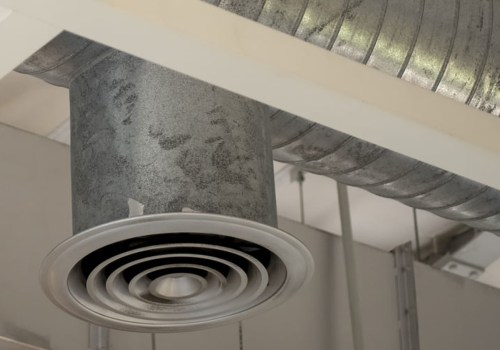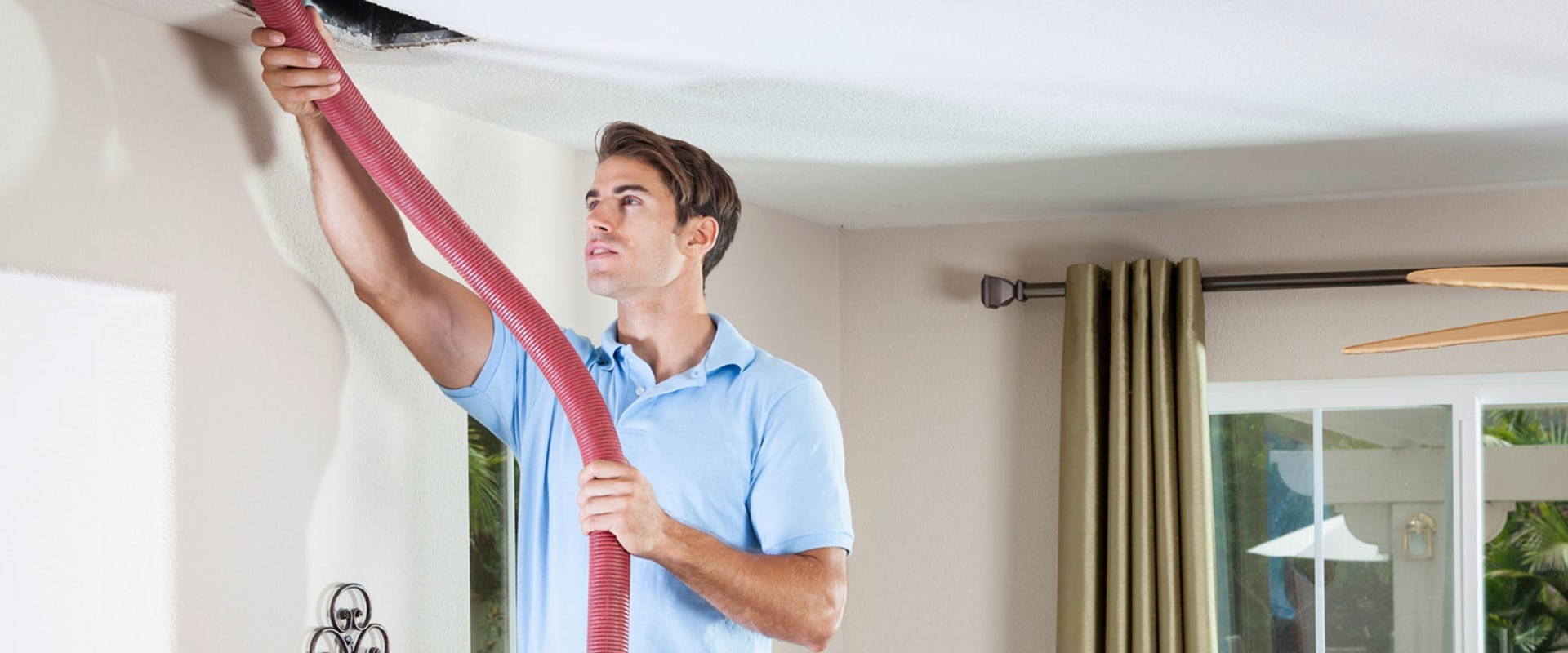
Duct cleaning is a term that has gained significant attention in recent years, yet many homeowners remain uncertain about its true value and necessity. At its core, duct cleaning refers to the process of removing dust, debris, and other contaminants from the ductwork of heating, ventilation, and air conditioning (HVAC) systems. While it may seem like a straightforward task, the implications of duct cleaning extend far beyond mere aesthetics. Understanding what duct cleaning entails and its importance can empower homeowners to make informed decisions regarding their indoor air quality and overall home environment.One of the most common misconceptions surrounding duct cleaning is that it is a routine maintenance task that should be performed regularly, much like changing air filters or servicing an HVAC unit.
However, the reality is more nuanced. The need for duct cleaning often depends on various factors, including the presence of visible mold growth, excessive dust accumulation, or pest infestations within the ducts. Additionally, certain life events—such as renovations or moving into a new home—may warrant a thorough inspection and potential cleaning of the ductwork.The importance of duct cleaning cannot be overstated. Clean ducts contribute to improved indoor air quality by reducing allergens and irritants that can circulate throughout your home.
This is particularly crucial for individuals with respiratory issues or allergies. Furthermore, maintaining clean ducts can enhance the efficiency of your HVAC system, potentially leading to lower energy bills and prolonged equipment lifespan. As such, understanding the nuances of duct cleaning is essential for any homeowner looking to create a healthier living environment.
The Benefits of Duct Cleaning
When considering the maintenance of your home, duct cleaning is often overlooked, yet it offers several significant benefits that can enhance both your living environment and the efficiency of your HVAC system. Understanding these advantages can help you make an informed decision about whether this service is right for you.Improved Indoor Air Quality
One of the primary benefits of duct cleaning is the improvement in indoor air quality.
Over time, dust, allergens, and other pollutants can accumulate in your air ducts. When your HVAC system operates, these contaminants are circulated throughout your home, potentially leading to respiratory issues and other health problems. By cleaning your ducts, you can significantly reduce the presence of these harmful particles, creating a healthier living space for you and your family.
Enhanced HVAC Efficiency
Another compelling reason to consider duct cleaning is its potential to enhance the efficiency of your heating and cooling systems. When dust and debris build up in the ducts, it can restrict airflow, forcing your HVAC system to work harder to maintain the desired temperature.
This increased workload not only leads to higher energy bills but can also shorten the lifespan of your equipment. Regular duct cleaning helps ensure that air flows freely through the system, allowing it to operate more efficiently and effectively.
Reduction of Allergens and Irritants
For individuals with allergies or asthma, clean air ducts can make a significant difference. Duct cleaning removes allergens such as pollen, pet dander, and mold spores that may be trapped in the ducts. By eliminating these irritants, you can create a more comfortable environment for those sensitive to airborne particles.
Prevention of Unpleasant Odors
Over time, dust and debris can accumulate in your ducts and contribute to unpleasant odors circulating throughout your home.
This is particularly true if there are pets or if food is frequently prepared indoors. Cleaning your ducts can help eliminate these odors, leaving your home smelling fresh and inviting.
Longer Lifespan for Your HVAC System
Regular maintenance, including duct cleaning, can extend the lifespan of your HVAC system. By reducing strain on the system caused by restricted airflow and excessive dirt buildup, you can help prevent costly repairs or premature replacements. Investing in duct cleaning is a proactive measure that can save you money in the long run.
Conclusion
The benefits of duct cleaning are clear: improved air quality, enhanced efficiency of HVAC systems, reduced allergens, prevention of odors, and a longer lifespan for your equipment.
If you are considering whether to invest in this service, weigh these advantages against your specific needs and circumstances to make an informed decision that best suits your home.
Potential Drawbacks of Duct Cleaning
While duct cleaning can offer some benefits, it is essential to consider the potential drawbacks before making a decision. Understanding these disadvantages can help homeowners avoid unnecessary costs and potential damage to their HVAC systems.Unnecessary Costs
One of the most significant concerns regarding duct cleaning is the potential for incurring unnecessary expenses. Many homeowners may feel pressured to have their ducts cleaned regularly, believing it is a necessary maintenance step. However, the Environmental Protection Agency (EPA) does not recommend routine cleaning unless there are visible signs of contamination or specific issues that need addressing.
This means that many homeowners might spend money on duct cleaning services when it is not truly needed.
Risk of Damage
Another critical drawback is the risk of damaging the ductwork during the cleaning process. If not performed correctly, duct cleaning can lead to:
- Duct Disconnection: Aggressive cleaning methods can dislodge ducts from their connections, leading to air leaks and reduced system efficiency.
- Physical Damage: The use of improper tools or techniques can cause dents, tears, or other physical damage to the ducts, which may require costly repairs.
- Contamination: If the cleaning process stirs up dust and debris without proper containment, it can lead to increased indoor air pollution rather than improving air quality.
When Not to Clean Ducts
There are specific situations where duct cleaning may not be advisable:
- If your ducts are relatively new and have not accumulated significant dust or debris.
- If you have recently completed renovations or construction work in your home, as this may temporarily increase dust levels without necessitating a full duct cleaning.
- If you have no visible signs of mold growth or pest infestations within your ducts.
EPA Guidelines on Duct Cleaning
The Environmental Protection Agency (EPA) plays a crucial role in shaping the understanding and practices surrounding duct cleaning. Their guidelines are based on extensive research and aim to inform homeowners about the potential benefits and limitations of this service.One of the key points emphasized by the EPA is that there is no definitive evidence proving that duct cleaning prevents health issues.While it is true that contaminants can accumulate in air ducts, studies have not conclusively shown that these particles significantly contribute to indoor air pollution. Instead, the EPA suggests that other sources, such as cooking, cleaning products, and even smoking, may have a more substantial impact on indoor air quality.According to the EPA, duct cleaning should not be performed routinely but rather on an as-needed basis. Homeowners are encouraged to consider duct cleaning if:
- There are visible signs of dust or debris in the ducts.
- There is a noticeable increase in allergy symptoms or respiratory issues among household members.
- There has been recent construction or renovation work that may have introduced contaminants into the duct system.
Simply cleaning the ducts without addressing these problems may lead to a recurrence of contamination.In terms of environmental impact, the EPA highlights that some duct cleaning methods can potentially release harmful particles back into the air if not conducted properly. Therefore, it is essential to choose a qualified service provider who adheres to best practices and uses appropriate equipment.In summary, while duct cleaning can be beneficial under certain circumstances, it is vital for homeowners to rely on the EPA's guidelines and recommendations. By understanding these perspectives, homeowners can make informed decisions that prioritize both their health and environmental considerations.
Signs That Your Ducts Need Cleaning
Identifying when your air ducts need cleaning is crucial for maintaining a healthy indoor environment. Here are some key signs that indicate it may be time to schedule a duct cleaning service:- Visible Dust and Debris: If you notice a significant buildup of dust around your home, particularly on surfaces like furniture and vents, this could be a sign that your ducts are dirty.
Dust accumulation can indicate that particles are circulating through your HVAC system.
- Unpleasant Odors: Foul smells emanating from your vents can suggest the presence of mold, mildew, or other contaminants in your ducts. If you detect musty or stale odors when your HVAC system is running, it’s essential to investigate further.
- Increased Allergies or Respiratory Issues: If you or your family members experience heightened allergy symptoms, such as sneezing, coughing, or difficulty breathing, it may be linked to poor indoor air quality caused by dirty ducts. Contaminants in the air can exacerbate these issues.
- Inconsistent Airflow: If certain rooms in your home feel stuffy or do not receive adequate airflow compared to others, this could indicate blockages in the ductwork. Cleaning the ducts may help restore balanced airflow throughout your home.
- Mold Growth: If you see visible mold growth inside or around your air ducts, it’s a clear sign that cleaning is necessary.
Mold can pose serious health risks and should be addressed immediately.
- Pest Infestations: The presence of insects or rodents in your ductwork can lead to contamination and health hazards. If you suspect pests have made their way into your ducts, it’s crucial to have them cleaned and sealed properly.
Choosing a Duct Cleaning Service
When it comes to maintaining a healthy home environment, choosing the right duct cleaning service is crucial. With numerous options available, it can be overwhelming to determine which provider will deliver quality service.Here are some essential tips to help you select a reputable duct cleaning company.
Research Credentials and Experience
- Start by looking for companies that are certified by recognized organizations such as the National Air Duct Cleaners Association (NADCA). This certification indicates that the company adheres to industry standards and best practices.
- Check how long the company has been in business. A well-established provider is likely to have more experience and a proven track record.
- Read online reviews and testimonials from previous customers. Websites like Yelp, Google Reviews, and the Better Business Bureau can provide insights into the company's reputation.
Ask Key Questions
Before hiring a duct cleaning service, it's important to ask specific questions to gauge their expertise:
- What cleaning methods do you use? Ensure they utilize effective techniques such as source removal, which involves using powerful vacuums to eliminate debris from the ducts.
- Do you provide a written estimate? A reputable company should offer a detailed estimate that outlines the services included and any potential additional costs.
- Are your technicians trained and insured? Confirm that their staff is properly trained and insured to protect yourself from liability in case of accidents during the cleaning process.
- Can you provide references? A trustworthy service provider should be willing to share references from satisfied customers.
Avoid Red Flags
Be cautious of companies that:
- Offer extremely low prices that seem too good to be true.
Quality duct cleaning requires time and effort, so prices that are significantly lower than competitors may indicate subpar service.
- Pressure you into making a quick decision. A reputable company will give you time to consider your options without high-pressure sales tactics.
- Lack transparency about their services or refuse to answer your questions. Clear communication is key to ensuring you receive the service you expect.
Alternative Solutions for Indoor Air Quality Improvement
While duct cleaning is often discussed as a method for improving indoor air quality, there are several alternative solutions that can be more effective and necessary for maintaining a healthy home environment. These methods not only address potential contaminants but also enhance overall air quality.1.Regular HVAC Maintenance
One of the most effective ways to ensure good indoor air quality is through regular maintenance of your HVAC system.This includes:
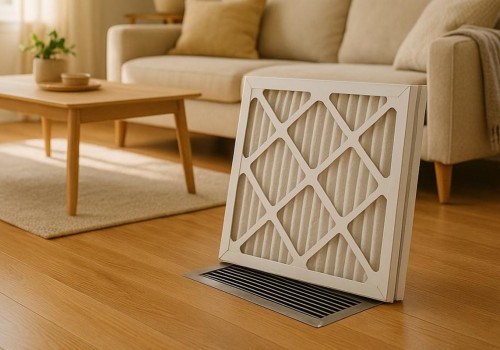
- Changing Filters: Regularly replacing or cleaning air filters can significantly reduce the amount of dust, pollen, and other allergens circulating in your home.
- Inspecting Ductwork: Periodic inspections can help identify leaks or blockages that may contribute to poor air quality.
- Cleaning Coils and Fans: Keeping these components clean can improve system efficiency and reduce the likelihood of contaminants being blown into your living spaces.
2.Air Purifiers
Investing in a high-quality air purifier can be an excellent alternative to duct cleaning. These devices are designed to filter out pollutants, allergens, and even odors from the air. When selecting an air purifier, consider:- HEPA Filters: Look for models equipped with HEPA filters, which can capture 99.97% of particles as small as 0.3 microns.
- Size and Coverage: Ensure the purifier is suitable for the size of the room where it will be used.
- No Ozone Emission: Choose purifiers that do not produce ozone, as this can be harmful to health.
3.Ventilation Improvements
Enhancing ventilation in your home can significantly improve indoor air quality. Consider these strategies:- Natural Ventilation: Open windows and doors when weather permits to allow fresh air to circulate.
- Exhaust Fans: Install exhaust fans in kitchens and bathrooms to remove moisture and odors effectively.
- Mechanical Ventilation Systems: Consider systems that provide controlled ventilation while filtering incoming air.
4.Humidity Control
Maintaining optimal humidity levels (between 30% and 50%) is crucial for preventing mold growth and dust mite proliferation.To control humidity:
- Dehumidifiers: Use dehumidifiers in damp areas like basements to reduce moisture levels.
- A/C Units: Ensure your air conditioning system is functioning properly, as it also helps regulate humidity.
FAQs About Duct Cleaning
When it comes to duct cleaning, many homeowners have questions and concerns. Below are some of the most frequently asked questions that can help clarify the process and dispel common myths.What is duct cleaning?
Duct cleaning involves the removal of dust, dirt, and other debris from the air ducts of your heating and cooling system. This process typically includes cleaning the supply and return air ducts, as well as other components like grilles, registers, and the HVAC unit itself.How often should I have my ducts cleaned?
The frequency of duct cleaning can vary based on several factors, including:- Presence of pets that shed fur
- Allergies or respiratory issues in household members
- Recent renovations or construction work
- Visible mold growth or excessive dust buildup
Does duct cleaning improve indoor air quality?
While duct cleaning can help remove contaminants from your air ducts, it is just one aspect of maintaining good indoor air quality.Other factors, such as regular vacuuming, using air purifiers, and ensuring proper ventilation, also play significant roles in improving air quality.
Are there any health benefits to duct cleaning?
Some homeowners believe that duct cleaning can prevent health issues. However, the EPA states that there is no conclusive evidence linking dirty ducts to health problems. It’s essential to address other sources of indoor pollution, such as mold or smoke, to truly enhance your home’s air quality.What are common myths about duct cleaning?
- Myth: Duct cleaning is always necessary.
- Myth: Cleaning ducts will eliminate all allergens in your home.
- Myth: Duct cleaning will significantly lower energy bills.
Conclusion: Making an Informed Decision About Duct Cleaning
In conclusion, the decision to engage in duct cleaning is not one to be taken lightly.Throughout this article, we have explored various facets of duct cleaning, including its potential benefits and drawbacks, as well as the recommendations from authoritative sources like the Environmental Protection Agency (EPA). Understanding these elements is crucial for homeowners who want to maintain a healthy living environment while also being mindful of their finances.One of the primary takeaways is that while duct cleaning can enhance the efficiency of your HVAC system by removing built-up debris, it is not a universal solution for all households. The EPA emphasizes that there is no definitive evidence linking dirty air ducts to significant health risks. Instead, they suggest focusing on other sources of indoor air pollution, such as cooking fumes, pet dander, and tobacco smoke.Moreover, it is essential to recognize that duct cleaning should be performed only when necessary.
Homeowners should look for visible signs of contamination or experience specific health issues that may warrant such action. Regular inspections and maintenance of your HVAC system can often address underlying problems without the need for frequent duct cleaning.When considering duct cleaning, it is vital to choose a reputable service provider. Ensure they are qualified and equipped to handle all components of your HVAC system. Be cautious of companies that recommend unnecessary treatments or use unproven chemical biocides.Ultimately, making an informed decision about duct cleaning involves weighing the specific needs of your home against the potential benefits and costs.
By staying educated and consulting with professionals when needed, you can ensure that your home remains a safe and comfortable space for you and your family.