Understanding the components of your HVAC system is essential for maintaining a comfortable and healthy living environment. Among these components, air ducts and ventilation grilles play pivotal roles, yet many homeowners often confuse the two. This confusion can lead to improper maintenance and inefficiencies in your heating and cooling systems. By grasping the distinct functions and characteristics of air ducts and ventilation grilles, you can ensure that your HVAC system operates at its best.Air ducts are the hidden pathways that transport conditioned air throughout your home.
They are typically concealed within walls, ceilings, or floors, making them less visible but no less important. These ducts are responsible for distributing heated or cooled air from your HVAC unit to various rooms, ensuring that every corner of your home receives adequate airflow. In contrast, ventilation grilles are the visible outlets that allow this air to enter your living spaces. They serve as the interface between the ductwork and the rooms you inhabit, controlling how much air flows into each area.The significance of understanding these differences cannot be overstated.
Proper maintenance of both air ducts and ventilation grilles is crucial for optimal performance. Neglecting either component can lead to issues such as poor air quality, uneven temperatures, and increased energy costs. For instance, dirty ventilation grilles can restrict airflow, while clogged air ducts can harbor dust and allergens, compromising the health of your household. By recognizing their unique roles within the HVAC system, you can take proactive steps to maintain both components effectively.In this article, we will delve deeper into the specific functions of air ducts and ventilation grilles, explore their interdependence within the HVAC system, and highlight best practices for maintenance.
By the end of this exploration, you will have a comprehensive understanding of why knowing the difference between these two elements is vital for ensuring a comfortable and efficient home environment.
What Are Air Ducts?
Air ducts are essential components of any HVAC (Heating, Ventilation, and Air Conditioning) system, acting as the conduits through which conditioned air travels to various parts of your home. Understanding what air ducts are and how they function is crucial for maintaining a comfortable indoor environment.Function of Air Ducts
The primary role of air ducts is to distribute heated or cooled air throughout your living spaces. When your HVAC system operates, it generates air that needs to be delivered efficiently to ensure consistent temperature control. Air ducts facilitate this process by channeling the air from the central unit to different rooms via a network of pathways.
Types of Air Ducts
There are several types of air ducts, each designed for specific applications:
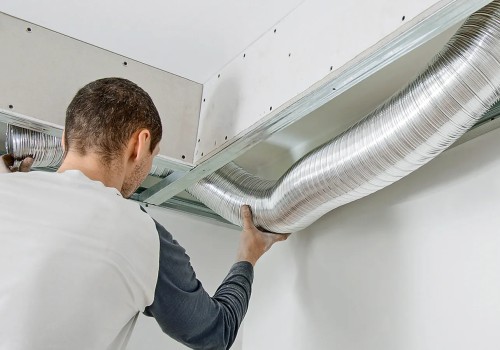
- Flexible Ducts: Made from a flexible plastic material, these ducts are easy to install and can fit into tight spaces.
They are often used in residential settings.
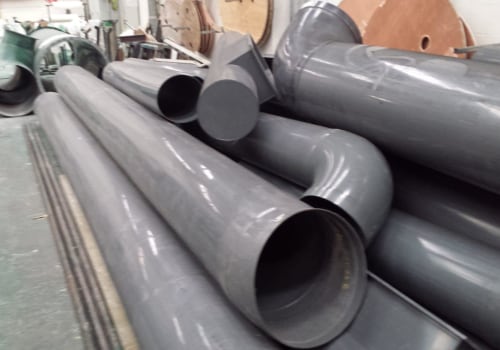
- Rigid Ducts: Typically constructed from metal or fiberglass, rigid ducts provide better airflow and durability. They are commonly used in commercial buildings.
- Sheet Metal Ducts: These are made from galvanized steel or aluminum and are known for their strength and longevity. They are often used in larger HVAC systems.
- Insulated Ducts: These ducts have insulation wrapped around them to minimize heat loss or gain, making them ideal for energy efficiency.
Materials Used in Air Ducts
The materials used in constructing air ducts significantly impact their performance and efficiency. Common materials include:
- Galvanized Steel: Known for its durability and resistance to corrosion, this material is widely used in both residential and commercial applications.
- Aluminum: Lightweight and resistant to rust, aluminum ducts are often used in areas where weight is a concern.
- Fiberglass: This material is excellent for insulation but can be prone to mold growth if not properly maintained.
Maintenance Tips for Air Ducts
To ensure optimal performance of your air ducts, regular maintenance is essential.
Here are some tips:
- Regular Inspections: Schedule professional inspections at least every few years to check for leaks or blockages.
- Cleansing the Ducts: Consider having your air ducts cleaned every 3 to 5 years to remove dust, allergens, and other contaminants.
- Seal Leaks: Inspect for any leaks in the ductwork and seal them promptly to prevent energy loss.
- Check Insulation: Ensure that duct insulation is intact to maintain energy efficiency.
What Are Ventilation Grilles?
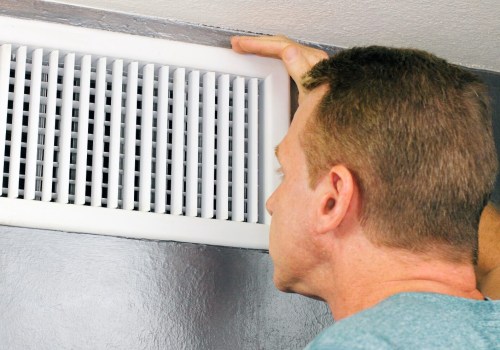
Ventilation grilles are essential components of any HVAC system, serving as the visible outlets through which conditioned air enters and exits living spaces. These grilles play a crucial role in regulating airflow, ensuring that each room receives the appropriate amount of air needed for comfort and efficiency.Function of Ventilation Grilles
The primary function of ventilation grilles is to control the flow of air from the air ducts into various areas of your home. By adjusting the position or size of these grilles, homeowners can influence how much air is distributed to each room.
This is particularly important for maintaining a balanced temperature throughout the house, as some areas may require more heating or cooling than others.Moreover, ventilation grilles help in filtering out dust and debris from the air before it enters your living spaces. Many grilles come equipped with filters that can trap allergens and pollutants, contributing to better indoor air quality. Regular maintenance of these filters is essential to ensure they function effectively.
Types of Ventilation Grilles
There are several types of ventilation grilles available, each designed for specific applications:
- Supply Grilles: These grilles are used to deliver conditioned air from the HVAC system into rooms. They are typically located near the ceiling or on walls.
- Return Grilles: These grilles allow air to flow back into the HVAC system for reconditioning.
They are usually found on walls or ceilings and play a vital role in maintaining airflow balance.
- Adjustable Grilles: These grilles feature movable louvers that can be adjusted to control airflow direction and volume. This flexibility allows homeowners to customize their indoor climate.
- Fixed Grilles: Unlike adjustable grilles, fixed grilles do not have movable parts. They provide a constant airflow and are often used in areas where airflow needs to be consistent.
Design and Placement
The design of ventilation grilles can vary significantly, ranging from simple metal designs to more decorative options that blend seamlessly with home decor. When selecting ventilation grilles, consider both functionality and aesthetics to ensure they complement your interior design.Placement is another critical factor in maximizing the effectiveness of ventilation grilles.
Ideally, supply grilles should be positioned in areas where they can distribute air evenly throughout the room, while return grilles should be located away from obstructions to facilitate unobstructed airflow back into the HVAC system.In summary, understanding what ventilation grilles are and their various functions is vital for optimizing your home's HVAC system. By selecting the right type and ensuring proper placement, you can enhance comfort levels while improving indoor air quality.
Key Differences Between Air Ducts and Ventilation Grilles
Understanding the distinctions between air ducts and ventilation grilles is essential for homeowners looking to optimize their HVAC systems. While both components play critical roles in air distribution, they serve different functions and are located at different points within the system.Functionality
- Air Ducts: These are the concealed pathways that transport conditioned air from your HVAC unit to various rooms in your home. They are typically made of metal or flexible materials and are designed to handle high volumes of air.
Their primary function is to ensure that heated or cooled air reaches every corner of your living space efficiently.
- Ventilation Grilles: In contrast, ventilation grilles are the visible components that allow air to flow into and out of rooms. They are usually installed on walls, ceilings, or floors and can be adjusted to control airflow. Grilles serve as the interface between the duct system and your living environment, regulating how much air enters a room.
Location Within the HVAC System
- Air Ducts: Located within the walls, ceilings, or floors of your home, air ducts are often hidden from view. Their placement is crucial for effective air distribution, as they connect directly to the HVAC unit.
- Ventilation Grilles: These components are installed at the endpoints of the duct system, making them easily accessible for adjustments and cleaning.
Their location allows them to effectively manage airflow into individual rooms.
Collaboration for Indoor Air Quality
The synergy between air ducts and ventilation grilles is vital for maintaining optimal indoor air quality. When your HVAC system operates, it draws in air through return ducts, conditions it, and then pushes it through supply ducts to the grilles. The grilles then disperse this conditioned air throughout your home.Regular maintenance of both components is necessary to ensure they function effectively. Clogged ducts can restrict airflow, while dirty grilles can harbor dust and allergens, negatively impacting indoor air quality.
Understanding these differences not only helps in maintaining your HVAC system but also contributes to a healthier living environment.
The Importance of Understanding These Differences
Understanding the distinctions between air ducts and ventilation grilles is not merely an academic exercise; it has real-world implications for your home’s HVAC efficiency, indoor air quality, and overall health. By grasping these differences, homeowners can make informed decisions that enhance their living environment.HVAC Efficiency
One of the primary reasons to differentiate between air ducts and ventilation grilles is their impact on HVAC efficiency. Air ducts are responsible for transporting conditioned air throughout your home. If these ducts are obstructed or poorly maintained, the efficiency of your HVAC system can plummet.
For instance, dust and debris accumulation within the ducts can restrict airflow, forcing your system to work harder to maintain the desired temperature. This not only leads to higher energy bills but can also shorten the lifespan of your HVAC equipment.On the other hand, ventilation grilles play a crucial role in regulating airflow into individual rooms. If these grilles are blocked or improperly adjusted, it can lead to uneven heating or cooling throughout your home. Understanding how to properly position and maintain these grilles ensures that each room receives adequate airflow, optimizing the performance of your HVAC system.
Indoor Air Quality Maintenance
The quality of air circulating in your home is directly influenced by both air ducts and ventilation grilles.
Air ducts can harbor allergens, mold, and other contaminants if not cleaned regularly. When these pollutants are circulated through your HVAC system, they can exacerbate respiratory issues and allergies. Therefore, knowing when and how to clean your ducts is essential for maintaining a healthy indoor environment.Similarly, ventilation grilles should be cleaned frequently to prevent dust buildup that can enter your living spaces. Regular maintenance of both components is vital for ensuring that the air you breathe is clean and safe.
Health Considerations
For families with members who suffer from asthma or other respiratory conditions, understanding the difference between air ducts and ventilation grilles becomes even more critical.
Poorly maintained ducts can lead to a higher concentration of airborne irritants, which can trigger health issues. By ensuring that both air ducts and ventilation grilles are kept clean and functioning properly, you contribute significantly to a healthier home environment.In summary, recognizing the differences between air ducts and ventilation grilles is essential for optimizing HVAC efficiency, maintaining indoor air quality, and safeguarding health. Homeowners who take the time to understand these components will be better equipped to manage their HVAC systems effectively.
Maintenance Tips for Air Ducts and Ventilation Grilles
Maintaining your air ducts and ventilation grilles is essential for ensuring the efficiency and longevity of your HVAC system. Regular upkeep not only improves air quality but also helps in reducing energy costs.Here are some practical maintenance tips to keep both components in optimal condition.
Cleaning Schedules
- Air Ducts: It is recommended to have your air ducts professionally cleaned every 3 to 5 years. However, if you notice an increase in dust accumulation or a musty odor, it may be time for an earlier cleaning.
- Ventilation Grilles: These should be cleaned at least twice a year. A simple wipe-down with a damp cloth can remove dust and allergens that accumulate on the surface.
Signs of Wear or Damage
Being vigilant about the condition of your air ducts and ventilation grilles can save you from costly repairs down the line. Look out for the following signs:- Air Ducts: If you notice uneven heating or cooling in different rooms, it could indicate blockages or leaks in your ducts.
Additionally, listen for unusual noises, such as rattling or whistling, which may suggest loose connections or damage.
- Ventilation Grilles: Check for physical damage such as cracks or bent edges. If the grilles are not securely attached or are missing entirely, they should be replaced to maintain proper airflow.
When to Seek Professional Help
If you encounter persistent issues with your HVAC system despite regular maintenance, it may be time to consult a professional. Signs that warrant expert attention include:- Persistent Odors: Unpleasant smells coming from your vents can indicate mold growth within the ducts.
- Increased Energy Bills: A sudden spike in energy costs may suggest that your system is working harder due to blocked ducts or malfunctioning grilles.
- Allergy Symptoms: If you or your family members experience increased allergy symptoms indoors, it could be due to dirty air ducts or grilles.
Common Misconceptions About Air Ducts and Ventilation Grilles
When it comes to understanding the components of your HVAC system, there are several misconceptions that can lead to confusion and improper maintenance. Addressing these myths is essential for ensuring that both air ducts and ventilation grilles function optimally.Myth 1: Air Ducts and Ventilation Grilles Are the Same
One of the most prevalent misconceptions is that air ducts and ventilation grilles serve the same purpose.
In reality, air ducts are the hidden pathways that transport conditioned air throughout your home, while ventilation grilles are the visible outlets that allow this air to enter your living spaces. Understanding this distinction is crucial for effective HVAC maintenance.
Myth 2: Ventilation Grilles Don’t Need Cleaning
Another common myth is that ventilation grilles are self-cleaning or do not require regular maintenance. In truth, dust, allergens, and other contaminants can accumulate on these grilles over time, potentially affecting indoor air quality. Regular cleaning of ventilation grilles is necessary to prevent the circulation of these pollutants in your home.
Myth 3: Closing Vents Saves Energy
Many homeowners believe that closing off vents in unused rooms will save energy costs.
However, this practice can disrupt the balance of airflow in your HVAC system, leading to increased pressure in the ducts and potentially causing damage. Instead of closing vents, consider adjusting your thermostat or using zoning systems for better energy efficiency.
Myth 4: Ducts Don’t Affect Indoor Air Quality
Some people think that air ducts have little impact on indoor air quality. This is a significant misconception. Dirty or damaged ducts can harbor mold, dust mites, and other allergens that can circulate throughout your home.
Regular duct cleaning is essential for maintaining a healthy living environment.
Myth 5: All Ducts Are Created Equal
Not all air ducts are designed the same way. Different materials and designs can affect airflow efficiency and overall system performance. For instance, flexible ducts may be easier to install but can restrict airflow if not properly supported. Understanding the type of ductwork in your home can help you make informed decisions about maintenance and upgrades.By debunking these common myths about air ducts and ventilation grilles, homeowners can take proactive steps toward maintaining their HVAC systems effectively.
Proper knowledge leads to better care, ensuring a comfortable and healthy home environment.
FAQs About Air Ducts and Ventilation Grilles
Understanding the intricacies of your HVAC system can be daunting, especially when it comes to components like air ducts and ventilation grilles. Here are some frequently asked questions that can help clarify common concerns homeowners have about these essential parts of their heating and cooling systems.What are air ducts made of?
Air ducts can be constructed from various materials, including:- Sheet metal: This is the most common material, known for its durability and efficiency in air flow.
- Fiberglass: Often used for insulation, fiberglass ducts can help maintain temperature but may require more maintenance.
- Flexible plastic: These ducts are lightweight and easy to install but may not be as durable as metal options.
How often should I clean my air ducts?
It is generally recommended to have your air ducts cleaned every 3 to 5 years. However, if you notice signs such as:- Increased dust accumulation in your home
- Unpleasant odors coming from vents
- Allergies or respiratory issues worsening
What is the purpose of ventilation grilles?
Ventilation grilles serve several important functions:- Air distribution: They allow conditioned air to flow into living spaces, ensuring even temperature throughout your home.
- Aesthetic appeal: Grilles come in various designs and finishes, enhancing the overall look of your interior.
- Control airflow: Many grilles have adjustable louvers that let you control the amount of air entering a room.
Can I install air ducts or ventilation grilles myself?
While some homeowners may attempt DIY installations, it is advisable to hire a professional. Proper installation is crucial for efficiency and safety.Incorrectly installed ducts or grilles can lead to:
- Poor air circulation
- Increased energy costs
- Potential damage to your HVAC system
How do I know if my ventilation grilles need cleaning?
If you notice any of the following signs, it may be time to clean your ventilation grilles:- A visible buildup of dust or debris on the grille surface
- A decrease in airflow from the vents
- An increase in allergy symptoms among household members
Conclusion: The Essential Role of Air Ducts and Ventilation Grilles in Your Home's Comfort
In summary, understanding the distinction between air ducts and ventilation grilles is vital for ensuring a comfortable and healthy living environment. Each component plays a unique role in the overall functionality of your HVAC system, and recognizing these differences can lead to better maintenance practices and improved air quality in your home.Air ducts serve as the essential conduits that transport conditioned air throughout your home. They are responsible for delivering warmth during the winter months and cool air during the summer, making them crucial for maintaining a stable indoor climate. Without properly functioning air ducts, your HVAC system would struggle to distribute air effectively, leading to uneven temperatures and increased energy costs.On the other hand, ventilation grilles act as the gateways through which this conditioned air enters your living spaces.They not only control airflow but also play a significant role in regulating indoor air quality. Clean and unobstructed grilles ensure that fresh air circulates freely, reducing the risk of allergens and pollutants accumulating in your home.Regular maintenance of both air ducts and ventilation grilles cannot be overstated. Neglecting these components can result in a host of issues, including reduced efficiency, higher energy bills, and potential health risks due to poor air quality. Homeowners should aim to schedule professional cleanings every few years to keep their systems running smoothly.Ultimately, being informed about the roles of air ducts and ventilation grilles empowers homeowners to take proactive steps in maintaining their HVAC systems.
By prioritizing regular inspections and cleanings, you can enhance your home's comfort while also safeguarding the health of your family. Understanding these components is not just about improving efficiency; it’s about creating a safe and pleasant living environment for everyone.